Sunday, August 23, 2020

Research Methods in Cultural Studies: Research Methods for Cultural Studies (ed. Michael Pickering, Edinburgh University Press, 2008)

This new textbook addresses the neglect of practical research methods in cultural studies. It provides students with clearly written overviews of research methods in cultural studies, along with guidelines on how to put these methods into operation. It advocates a multi-method approach, with students drawing from a pool of techniques and approaches suitable for their own topics of investigation. The book covers the following main areas:
Drawing on experience, and studying how narratives make sense of experience.
Investigating production processes in the cultural industries, and the consumption and assimilation of cultural products by audiences and fans.
Taking both quantitative and qualitative approaches to the study of cultural life.
Analysing visual images and both spoken and written forms of discourse.
Exploring cultural memory and historical representation.
The contributors, along with Michael Pickering, are Martin Barker, Aeron Davis, David Deacon, Emily Keightley, Steph Lawler, Anneke Meyer, Virginia Nightingale, and Sarah Pink. (amazon) (accessible via questia) 

央行断臂求生放大招!90%地产商面临倒闭!楼市下半年迎降价潮

https://www.youtube.com/watch?v=76ZZcDfpms4

What Is Quantum Supremacy And Quantum Computing? (And How Excited Should We Be?) (Bernard Marr, Forbes, 2020-8-17)

https://www.forbes.com/sites/bernardmarr/2020/08/17/what-is-quantum-supremacy-and-quantum-computing-and-how-excited-should-we-be/#4191f8b11bdc

習近平一道命令,故意造成四川重慶特大水災

https://www.youtube.com/watch?v=RWrxVNZgPiw

你一天只能吃半碗飯 共匪一天可以吃八十碗飯

https://www.youtube.com/watch?v=xGYL8h5XFBw

長江大洪水,上下游全淹,共匪除了加速貪汙洗錢,沒有救援

https://www.youtube.com/watch?v=wQjXIy_rH8s

共匪如何利用伊朗搞事

https://www.youtube.com/watch?v=rs87HCi5edw

唯恐天下不亂認為亂中才能取勝是共匪對外一貫伎倆
所以你可以理解對內怕人民造亂起義
共匪會如何滴水不漏壓迫宰殺人民
這就是共匪的為人民服務

這件事說明共匪的本質是基本教義派
但他們的基本教義不是宗教是那貪汙的九千萬億美金
這件事也說明惡是極端的極端
所以滅共者不應活著回來要一起死在地獄

多此一舉 (Daseinsanalysis)


善是多此一舉
或不忍不多此一舉

惡就是否定破壞這多此一舉
其黑暗本質是 sabotage entropy

菩薩的定義是覺有情
有情在先覺在後

這三個字可以是「覺有情」
也可以是覺「有情」

有情畢竟無明
無明自然啟動
緣起的輪迴的鎖練

這個詛咒薛西弗斯知道
你也知道

菩薩看著你們倆微笑
祂也知道

至此你們三個知道有情就是多此一舉
據說當你越過那多此一舉你就得解脫
但並不表示解脫者從此能夠不再多此一舉

意思是說解脫不能離世
而入世無法不多此一舉
無法不忍不多此一舉

意思是說連菩薩都有懊惱的時候
或還有本事懊惱的才是真菩薩

意思是說我們到不了也不應到彼岸
或到了也要迴首折返繼續浮沉

你要想想地藏君的誓言

有情是你照顧眾生的多此一舉
不忍不表示你感通眾生的存在
所以你發心照顧那群流浪貓狗
或幾百個精神病人

給黑暗大地留下一個乾淨明亮的地方

但是這一切都是有限的
你知道一切都會回到黑暗
但有生之年你仍懸心
這是你需了卻的

你的大事因緣

人生畢竟不忍不多此一舉
然後懊惱然後再多此一舉

以此類推
不過如此

卸下這段話看著窗外秋日的山
我不禁高興起來

Toward a Social Psychoanalysis: A Conversation with Lynne Layton (2017-7-26)

https://link.springer.com/chapter/10.1057/978-1-137-59096-1_9

see also

https://www.ncbi.nlm.nih.gov/pmc/articles/PMC3192378/ (Lynne Layton, 2007)

Cf

https://thepsychologist.bps.org.uk/volume-19/edition-9/psychoanalysis-social-psychological-research

https://www.tandfonline.com/doi/abs/10.1080/21674086.1950.11925809?journalCode=upaq20

https://www.jstor.org/stable/40547447?seq=1

http://www.yorku.ca/dcarveth/Social%20and%20Historical%20Influences%20on%20Psychoanalytic%20Thought.pdf

https://www.frontiersin.org/articles/10.3389/fpsyg.2019.02596/full

https://www.researchgate.net/publication/299420908_What_to_teach_Social_psychoanalysis_in_the_clinic_and_the_classroom

https://www.palgrave.com/gp/journal/41282 (Psychoanalysis, Culture and Society)

Psychoanalysis, Culture & Society

曹查理 (b 1949)

你還記得整人專家古晶去小藥房買感冒藥的故事罷
當然那是有良心的很貴的感冒藥

我先前說過看港片要看配角因為他們演的是自己
中國觀察讀中國史亦然

我很懷念查理

北戴河会后习近平内外政策轮廓浮现

https://www.youtube.com/watch?v=6HlRrLpKv1c

李傳良

https://www.youtube.com/watch?v=i1XFS0QttTw

關於新左 (Critical Psychotherapy)

這是吃過苦曾有良心的生活在西方民主自由體制的社會的知識份子的左傾的論述
所以新左的論述是發生在能夠與右相對並存的世界而且被憲法保護彼此言論自由
這種世界辯證猶存你可以盡情論述
你聽說過在史達林毛澤東習近平暴虐屠殺掠奪控制的共產極權下有新左嗎
我再說一次那種世界是新階級擁有一切的極度不公不義
所以左傾不應等同親共
而當今西方新左者已無良心因為他們不會願意住在中國被習近平糟蹋但樂於被習近平收買
這種沒有良心的有價錢的所謂知識份子我們稱之為婊子
我很疼惜流落江湖的八大女子所以正確的說
這種沒有良心的有價錢的所謂知識份子是比婊子還婊子的婊子
我們稱之為婊子的三次方

一夜入秋

昨日處暑俗稱秋老虎
與溽暑不同已有秋意

秋意來自風雨涼意
席地而睡的日子已經不多

功虧一簣 (Psychology of the self) (Daseinsanalysis)

堆一座九仞高的土山,因差最後一筐而不能成功。語出《書經.旅獒》:「為山九仞,功虧一簣。」比喻事情不能堅持到底,只差最後的步驟而功敗垂成。《晉書.卷五九.汝南王亮等傳.贊曰》:「長沙奉國,始終靡慝;功虧一簣,奄罹殘賊。」

http://dict.revised.moe.edu.tw/cgi-bin/cbdic/gsweb.cgi?ccd=LymGx_&o=e0&sec1=1&op=sid=%22Z00000074963%22.&v=-2

這是一般的釋義似乎惋惜而且有點指責
但我先前說過生命必須功虧一簣才師法自然
很多年前我是這麼說的人無小恙必有大患
意思有點類似

但尤其是與畫龍點睛相對
我說請你不要完成你的系統的最後一筆
因為當你完成那隻龍就飛起來
所有其他生命都將滅絕

我講這句話是針對心理治療作為一個系統而言
但對任何系統建構都成立
對中國窮兵黷武彎道超車沒有底線超限掠奪寸草不生的崛起也成立
因為這是沒有道德沒有智慧不尊重生命的滅絕生命的邪惡
這是痞子這不是男兒

Saturday, August 22, 2020

中国经济的真相与谎言

https://www.youtube.com/watch?v=tJSJlIrMUQY

黑龙江省鸡西市 副市长李传良 叛逃美国

https://www.youtube.com/watch?v=s11IvOH2utE

金與正叫床語錄

https://www.youtube.com/watch?v=ai6zICJmICo

https://www.youtube.com/watch?v=LODVaQk-09o

郭树清: 坚定不移打好防范化解金融风险攻坚战 (2020-8-17)

https://finance.sina.com.cn/money/bank/bank_hydt/2020-08-17/doc-iivhuipn9029010.shtml

https://hk.aboluowang.com/2020/0822/1492518.html

https://www.youtube.com/watch?v=OX2DWTcfyUY

中共官方終於承認:房地產是中國經濟最大的灰犀牛
2020年第16期《求是》雜誌刊發中國人民銀行黨委書記、中國銀保監會主席郭樹清文章《堅定不移打好防範化解金融風險攻堅戰》,郭樹清在這個文章中終於承認,房地產泡沫是威脅金融安全的最大“灰犀牛”。

當你感受到萬物的潛意識 (Psychology of the self) (Daseinsanalysis)

比如說那張用了三十年的搖搖晃晃的餐桌
或看著你的那隻流浪狗的大大的雙眼
當然也包括那兩排獠牙

或岩中花樹

你就離救贖不遠了

比葛蘭西條件好太多了

我不確定葛蘭西坐牢坐了多久
但他寫了三十三本三千頁筆記 (prison notebooks)

這和林昭留下一萬兩千字血書同樣讓人欽佩

我也在坐牢而且這是坐穿牢底的那種
但面對電腦我比葛蘭西條件好太多了

你要知道他的書寫是憑藉記憶的碎片
這點說明失智之前我還有一點時間收集碎片

So What is this Social Unconscious Anyway? (Haim Weinberg, 2007) (Psychology of the self) (Critical Psychotherpay)

https://journals.sagepub.com/doi/abs/10.1177/0533316407076114?journalCode=gaqa

see also

https://www.apadivisions.org/division-39/publications/reviews/social

https://groupanalyticsociety.co.uk/the-social-unconscious/

https://link.springer.com/article/10.1007%2FBF02108603

https://www.psychologytoday.com/us/blog/hidden-motives/201103/the-social-unconscious

https://www.amazon.com/Toward-Social-Psychoanalysis-Relational-Perspectives/dp/0367902044/ref=sr_1_4?dchild=1&keywords=social+unconscious&qid=1598084715&s=books&sr=1-4

https://www.amazon.com/DEFAULT_SET-Unconscious-Societies-International-Analysis/dp/1855757680/ref=sr_1_9?dchild=1&keywords=social+unconscious&qid=1598084840&s=books&sr=1-9

https://www.amazon.com/Social-Unconscious-Persons-Groups-Societies-ebook/dp/B07BWRK9YJ/ref=sr_1_6?dchild=1&qid=1598084886&refinements=p_27%3AEarl+Hopper&s=books&sr=1-6&text=Earl+Hopper

https://www.amazon.com/Social-Unconscious-Persons-Groups-Societies/dp/1782203559/ref=sr_1_1?dchild=1&qid=1598084916&refinements=p_27%3AEarl+Hopper&s=books&sr=1-1&text=Earl+Hopper

https://www.amazon.com/Fairy-Tales-Social-Unconscious-International-ebook/dp/B07BMCXL54/ref=sr_1_5?dchild=1&keywords=haim+weinberg&qid=1598087003&s=books&sr=1-5

https://www.amazon.com/Large-Group-Re-Visited-International-Analysis/dp/1843100991/ref=sr_1_10?dchild=1&keywords=haim+weinberg&qid=1598087053&s=books&sr=1-10

https://www.amazon.com/Paradox-Internet-Groups-Presence-International/dp/1855758938/ref=sr_1_2?dchild=1&keywords=haim+weinberg&qid=1598087053&s=books&sr=1-2

所以潛意識不是個人的內在的而已

有跨代的潛意識族群的潛意識社會的潛意識地理的潛意識歷史的潛意識人類學的潛意識經濟學的潛意識

有人說互聯網的潛意識社交媒體的潛意識
似乎還沒有人說黑暗網路的潛意識

我樂於想像那個廢園裡的三棵樹是有潛意識的
意思是說萬物皆有潛意識

萬物包括山河大地岩石沙漠海洋眾生
所以 Moby Dick 也有潛意識這是非常確定的

雖然我還沒有聽說過病毒的潛意識
但我可以想像製毒投毒者的潛意識

我不確定文化研究者有沒有善用精神分析作為工具
我不確定文化研究者講不講文化的潛意識

比如說你看了過去三十年一萬部中國電影
你能告訴我它所透漏的潛意識是甚麼嗎

簡單講你所見皆為造作 (artifacts)
其後必有潛意識無以名之的運作

所以習近平一路走到黑必有其潛意識作祟
藏在梁家河的孩子的暗夜的哭聲
和他曾目睹的北京紅八月的屍體
你要知道那是連金屬眼鏡框都被打凹的屍體

所以屍體也有潛意識
當然被打凹的金屬眼鏡框也有潛意識

共匪大規模中共病毒疫苗人體試驗暗藏的驚天陰謀

https://www.youtube.com/watch?v=C6EUnJMA0Ac

吳京和洪金寶比武

這是奪帥的江湖傳聞
那天我在現場

事情的經過是黑幫老大洪金寶的年輕細姨生了一個小孩
大老婆火大勾引了幫派高幹綁架了大老勒贖取錢後撕票

事發後幫派內鬨互相殺成一團連襁褓孩子都不放過
吳京是洪金寶手下殺手嗜武成痴

最後一幕屋外警察上百把槍團團鐵桶
屋裡只剩洪吳兩人

兩人點頭致意後比武
那是沒有贏家的比武

結果洪金寶贏了走出門被亂槍打死
這是武林中人正確死法我是說雙方

這種情節據我所知不曾出現在大陸電影
這件事說明香港精神和香港存在的必要

佛洛姆的最後十五年有沒有分心 (1900-1980)

  • Socialist Humanism (1965)
  • You Shall Be as Gods: a radical interpretation of the Old Testament and its tradition (1966) 
  • The Revolution of Hope, toward a humanized technology (1968) 
  • The Nature of Man (1968) 
  • The Crisis of Psychoanalysis (1970)
  • Social character in a Mexican village; a sociopsychoanalytic study (Fromm & Maccoby) (1970) 
  • The Anatomy of Human Destructiveness (1973)
  • To Have or to Be? (1976) 
  • Greatness and Limitation of Freud's Thought (1979) 
  • On Disobedience and other essays (1981)
  • For the Love of Life (1986)
  • The Art of Being (1993) 
  • The Art of Listening (1994) 
  • On Being Human (1997)


分心的意思是
迴避真正重要的心願

他 1965 年退休後承諾要完成多卷的 Humanistic Psychoanalysis 畢竟沒有完成 
Rainer Funk 用他的殘稿編輯而成的 The Revision of Psychoanalysis (1992) 畢竟不算真的完成

那個完成的困難是甚麼 

如果他 1965 年動筆十五年後完成
他要面對的精神分析必須包括客體關係學派依附理論自體心理學拉康
他本身與關係學派結識多年
到他 1980 過世 Stephen Mitchell & Jay Greenberg (1983) 尚未出版
所以我們可以說 M & G (1983) 幫他完成了他的對精神分析的改寫嗎
恐怕不行這是兩回事 M & G (1983) 並無意用社會學或 humanistic 的角度改寫精神分析

所以那個改寫的困難是甚麼

那個改寫必須由出入系統身處邊緣者為之
意思是說系統內者系統外者皆無由為之
Fromm 算不算系統外者如果算他無由為之

這時下午三點半天落起雨來
我知道我在幫他找理由
我知道這個理由說明了人
為學一生力有未逮的界線

被搞亂的系統

這是酩酊大醉的人第二天早上說的話
那兩瓶威士忌搞亂了我的系統

半夜三點極度口渴起床找水喝
好像每個細胞都處在乾旱

這種被搞亂的系統
到第二天下午才會部份回復

剛剛想到被藥物搞亂的系統
包括精神科用藥和藥物成癮

那種搞亂是不歸路
你沒有第二天下午

中共央行宣布為了方便趙家人境內洗錢境外提貨趙家人的數字貨幣可以兌換美元和黃金

https://www.youtube.com/watch?v=S4uF3zcsRDA

Chiconcuac de Juárez

https://en.wikipedia.org/wiki/Chiconcuac_de_Ju%C3%A1rez

https://www.jstor.org/stable/23250039?seq=1

https://www.amazon.com/Social-Character-Mexican-Village-Sociopsychoanalytic-ebook/dp/B00PTIKUEO/ref=sr_1_3?dchild=1&keywords=erich+fromm+and+maccoby&qid=1598066614&sr=8-3

https://www.scribd.com/book/247065876/Social-Character-in-a-Mexican-Village-A-Sociopsychoanalytic-Study (accessible via scribd)

The renowned psychoanalyst Erich Fromm not only analyzed society and societal processes. Together with Michael Maccoby he did a study of Mexican peasants to empirically illustrate how historical, economic and social requirements determine behavior.

Social Character in a Mexican Village does much more than introduce a new approach to the analysis of social phenomena. It throws new light on one of the world’s most pressing problems, the impact of the industrialized world on the traditional character of peasants. Unanimously the book is an outstanding introduction to Fromm’s concept of social character. (amazon) 

Enantiodromia (物極必反)

https://en.wikipedia.org/wiki/Enantiodromia

歷史判斷 (Psychology of the self)

我先前說過李登輝的貢獻就是把國民黨搞爛搞垮
你要注意他的表情是無辜的這個演技很重要

我先前說過中國共產黨需要一個李登輝
有人說習近平就是那個李登輝

雖然他們倆人搞爛搞垮的方法不同
而且習近平滿臉鐵青似乎學不會裝無辜

我先前說過馬歇爾使華是中國的悲劇
悲劇發生完畢後美國人才問是誰丟掉了中國

意思是說七十年後你不該指望美國人幫你滅共
就像美國黑人不該指望你幫他們解決種族衝突

我認為共匪治國挖人民的肉補趙家人的瘡歲月遲早不再靜好
我不確定中國老百姓該怎麼倖存該怎麼活得或死得有意義

關於善惡 (Psychology of the self) (Critical Psychotherapy)

自然本無善惡
善惡是人為的

回到第一句話
自然本無善惡

所以自然的災難
眾生只好本能逃避
然後倖存者驚魂未定
仰天長歎紀錄事件經過

回到第二句話
善惡是人為的

你問人為所為何來
佛洛姆有愛生惡生一說
中國古人有好生之德一詞

《書經.大禹謨》:「與其殺不辜,寧失不經,好生之德,洽于民心。」
《老殘遊記.第一一回》:「上天有好生之德;天既好生,又是世界之主宰,為甚麼又要生這些惡人做甚麼呢?」

意思是說中國古人
敬畏天地鬼神相信因果報應
希望老天慈悲能放他一馬

這種想法有實用主義的交換性質
不夠究竟且將皇帝與老天等同
可用來千秋萬世培養順民民風

上天有好生之德
好生就是容許生
容許萬物自然生

最後關於惡
我想起因是仇恨
仇恨政治仇恨哲學

仇恨就是毀滅
玉石俱焚的毀滅
玉石俱焚在所不惜的毀滅

仇恨來自屈辱創傷
所以明顯是精神分析的範疇

意思是說精神分析對善乏善可陳
對惡應有話要說

意思是說善的本質是回到自然
惡的本質是回到歷史

這兩個回到顯然是平行線
不見得相會

而且我先前說過
善是一團麵粉
惡是鋼鐵意志

意思是說我們的命運是
在歷史中浮沉
回不到自然

比較不絕望的說法是
在歷史中的一點點善意
是我們唯一能做得到的

當然那點善意
抵擋不住惡的毀滅

除非善有意志

以上是關於滅共的決心的說明

The Postcard Killings (2020)

https://en.wikipedia.org/wiki/The_Postcard_Killings

https://en.wikipedia.org/wiki/The_Postcard_Killers

https://www.myvideo.net.tw/details/0/311611#

Ghosts of War (2020)

https://en.wikipedia.org/wiki/Ghosts_of_War_(2020_film)

https://www.myvideo.net.tw/details/0/312464

處暑

https://zh.wikipedia.org/wiki/%E5%A4%84%E6%9A%91

月令七十二候集解》:「七月中,處,止也,暑氣至此而止矣。」

Friday, August 21, 2020

熊貓的分類

澳洲的無尾熊是天真無邪的
中國的熊貓則早已失去天真 (loss of innocence)

問題不在那隻竹林裡的熊貓
問題是共匪糟蹋了熊貓

怎麼分類熊貓
我們需要 DSM-5

天底下有三種長頸鹿
一種是一百五十公分以下
一種是一百五十公分到三公尺
一種是三公尺以上

天底下有三種熊貓
一種是收了共匪五千萬美金以下
一種是收了共匪五千萬到一億五千萬美金
一種是收了共匪一億五千萬美金以上

意思是說你要讀出價錢
才讀得懂這些老外熊貓

吳京的武功

剛從竹北回來今天路況很糟黑夜中塞成一團
整個下午都在思考吳京的武功

這個小夥子曾在古廟拿魯智深用過的七千斤戒刀
砍下黑幫老大的首級放在一個提袋渡船離開不成

遂被追殺乃至磅大雨一個打
一百個每個都經脈全斷

這點說明吳京武功非同小可

時隔十多年戰狼二徒手抓住核導彈扔回西安後
戰狼三輕功躍過太平洋只花了一秒七八

降落的地方是芝加哥密西根大道的芝加哥藝術學院
那個地方風很大我去過幾次

Andrew Wyeth 畫的那幅克麗絲蒂娜的世界
掛在一樓進門不遠處

数字货币不能换美元黄金 秒变粮票 14亿人被收割

https://www.youtube.com/watch?v=tVVeQXOIN70

法拍房暴增,斷供潮來臨,中國樓市拐點到了

https://www.youtube.com/watch?v=c7g7Si8aySw

剛剛揮之不去想到一句話

這種經驗我相信 Wim Wenders 拍電影的時候常有
意思是說你要意象的理解這句話

當解放軍集體脫下褲子的時候 中國人民就站起來了

崔天凱批習「將被清算」

https://www.youtube.com/watch?v=5AZOqofwzUs

Reification (Critical Psychotherapy)

https://en.wikipedia.org/wiki/Reification_(Marxism)

The concept is related to, but distinct from, Marx's theories of alienation and commodity fetishism.[1] Alienation is the general condition of human estrangement; reification is a specific form of alienation; commodity fetishism is a specific form of reification.

The concept of reification rose to prominence chiefly through the work of Georg Lukács (1923), in his essay "Reification and the Consciousness of the Proletariat," as part of his book History and Class Consciousness; this is the locus classicus for defining the term in its current sense. Here, Lukács treats it as a problem of capitalist society related to the prevalence of the commodity form, through a close reading of Marx's chapter on commodity fetishism in Capital. Lukács's account was influential for the philosophers of the Frankfurt School, for example in Horkheimer's and Adorno's Dialectic of Enlightenment, and in the works of Herbert Marcuse.

Cultural hegemony (Critical Psychotherapy)

https://en.wikipedia.org/wiki/Cultural_hegemony

https://en.wikipedia.org/wiki/Hegemony

The Marxist theory of cultural hegemony, associated particularly with Antonio Gramsci, is the idea that the ruling class can manipulate the value system and mores of a society, so that their view becomes the world view (Weltanschauung): in Terry Eagleton's words, "Gramsci normally uses the word hegemony to mean the ways in which a governing power wins consent to its rule from those it subjugates".[11] In contrast to authoritarian rule, cultural hegemony "is hegemonic only if those affected by it also consent to and struggle over its common sense".[12]

nomothetic vs. idiographic (Psychology of the self) (Critical Psychotherapy)

https://en.wikipedia.org/wiki/Nomothetic_and_idiographic

Behavioral Analysis Unit (BAU-5)

https://en.wikipedia.org/wiki/Behavioral_Analysis_Unit

https://en.wikipedia.org/wiki/Behavioral_Science_Unit

Cracker (British TV series) (1993-1996)

https://en.wikipedia.org/wiki/Cracker_(British_TV_series)

The Rise of the Biotechnosciences (2013)

https://www.thersa.org/discover/videos/event-videos/2012/11/hilary-and-steven-rose#

https://www.fondazionebassetti.org/it/segnalazioni/2013/03/the_rise_of_the_biotechnoscien.html

Evolutionary Psychology: A Primer

https://www.cep.ucsb.edu/primer.html

https://www.cep.ucsb.edu/

Critical Neuroscience

https://www.criticalneuroscience.org/

https://www.researchgate.net/publication/230546151_Critical_Neuroscience_A_Handbook_of_the_Social_and_Cultural_Contexts_of_Neuroscience

https://www.ncbi.nlm.nih.gov/pmc/articles/PMC4039067/

https://www.frontiersin.org/articles/10.3389/fnhum.2014.00336/full

https://www.academia.edu/3581739/Critical_Neuroscience_A_Handbook_of_the_Social_and_Cultural_Contexts_of_Neuroscience_edited_jointly_with_Suparna_Choudhury_

中国的芯片战略能够成功吗

https://www.youtube.com/watch?v=ya7sMwvBN0c

土地公廟 (Daseinsanalysis)

那天我說選擇居所的關鍵是土地公廟
這件事我說過很多遍

看海的日子裡白梅
從海邊私娼寮回到雲林故鄉

就是回到土地公廟

意思是說你看電影
要注意細節的瞬間

意思是說我們的人生
就是白梅的人生

這句話你要仔細想一想

回到自然 (Daseinsanalysis)

就是回到陽光空氣水
這件事很簡單

你只要脫光衣服就可以做到
當然你要選一個炎炎夏日

把自己種在土裡
然後讀一點易經

大哉乾元萬物兹始
至哉坤元萬物兹生

當然我希望你比我運氣好
旁邊不是煉油廠空汙不斷

意思是說我回到的自然
是一個烏煙瘴氣的自然

當然市長和中油否認這一點
他們說我們已經在改善你不要太誇張

水則不是問題
石門水庫水很多

關於意志 (Psychology of the self) (Critical Psychotherapy)

意志就是 will
關於意志我是極度悲觀的

邪惡的人嘲笑善良的人
你們的意志不如我們的意志堅強

意思是說邪惡的意志無時無刻不在
善良的意志像是不專心的一團麵粉

邪惡的意志則像鋼鐵一樣
可以切穿斬斷收買操弄一切

是的我是悲觀的
對於CCP毀滅人類的意志

據說聖經裡神的旨意終將戰勝惡魔
我打算送一本聖經給拜登慚愧的研讀

當然我知道被CCP收買的人
已經不會慚愧

邪惡的意志嘲笑善良的意志
你如果對抗我你就會變成跟我一樣

是的我打算粉身碎骨在所不惜
反正我也沒有別的事情好做

Thursday, August 20, 2020

台灣常見有毒中草藥資料庫

http://tcm-toxic.kmu.edu.tw/index.php/%E5%8F%B0%E7%81%A3%E5%B8%B8%E8%A6%8B%E6%9C%89%E6%AF%92%E4%B8%AD%E8%8D%89%E8%97%A5%E8%B3%87%E6%96%99%E5%BA%AB

http://tcm-toxic.kmu.edu.tw/index.php/%E5%A4%BE%E7%AB%B9%E6%A1%83  (夾竹桃)

Georg Lukács (1885-1971)

https://www.marxists.org/archive/lukacs/index.htm

https://en.wikipedia.org/wiki/Gy%C3%B6rgy_Luk%C3%A1cs

Andrew Feenberg (b 1943)

https://en.wikipedia.org/wiki/Andrew_Feenberg

Antonio Gramsci (1891-1937)

https://www.marxists.org/archive/gramsci/index.htm

https://en.wikipedia.org/wiki/Antonio_Gramsci

Gramsci wrote more than 30 notebooks and 3,000 pages of history and analysis during his imprisonment. His Prison Notebooks are considered a highly original contribution to 20th-century political theory.[7] Gramsci drew insights from varying sources – not only other Marxists but also thinkers such as Niccolò MachiavelliVilfredo ParetoGeorges Sorel and Benedetto Croce

The notebooks cover a wide range of topics, including Italian history and nationalismthe French RevolutionfascismTaylorism and Fordismcivil societyfolklorereligion and high and popular culture.


Collections

  • Pre-Prison Writings (Cambridge University Press)
  • The Prison Notebooks (three volumes) (Columbia University Press) 
  • Selections from the Prison Notebooks (International Publishers) (1971)

Wednesday, August 19, 2020

中国社科院向中央公开书面报告:中国面临粮荒

https://www.youtube.com/watch?v=yz_gyaWOioY

故事的層次 (Psychology of the self) (Daseinsanalysis)

剛剛突然知道故事是有層次的
意思是說故事像是樂譜
每次演奏都會有不同的詮釋的可能

當你放下樂譜不再需要樂譜的時候
你才能從心底演奏它
通常這時你的眼睛是閉上的

因為你不再需要看見
你的心知道
它已經變成你的一部份

不過話說回來
來到這樣精采的演出之前
你必須把這個故事說很多遍

那很多遍習作
我們稱之為每天的生活
或心理治療

bell hooks (b 1952)

https://en.wikipedia.org/wiki/Bell_hooks

https://www.amazon.com/Uncut-Funk-bell-hooks/dp/1138102105/ref=sr_1_10?dchild=1&qid=1597794538&refinements=p_27%3AStuart+Hall&s=books&sr=1-10&text=Stuart+Hall

3 in 4 Elders with Dementia Fill Prescriptions for Psychotropics or Opioids (NEJM, JW, 2020-8-18)

https://www.jwatch.org/fw116949/2020/08/18/3-4-elders-with-dementia-fill-prescriptions-psychotropics?query=pfwTOC&jwd=000013567342&jspc=P

人民币国际化的坑

https://www.youtube.com/watch?v=UQxl44IXXw8

Monday, August 17, 2020

True Adventure--Living in a Motorcycle Pop-Up Trailer

https://www.youtube.com/watch?v=ff6tksVG08I

The Long Interview (Qualitative Research Methods Book 13) (Grant McCracken, SAGE, 1988)

The Long Interview provides a systematic guide to the theory and methods of the long qualitative interview or intensive interviewing. It gives a clear explanation of one of the most powerful tools of the qualitative researcher. The volume begins with a general overview of the character and purpose of qualitative inquiry and a review of key issues. The author outlines the four steps of the long qualitative interview and how to judge quality. He then offers practical advice for those who commission and administer this research, including sample questionnaires and budgets to help readers design their own. The author introduces key theoretical and methodological issues, various research strategies, and a simple four-stage model of inquiry, from the design of an open-ended questionnaire to the write up of results. (amazon) 

Participatory action research (PAR)

https://en.wikipedia.org/wiki/Participatory_action_research

危險臨近!數字貨幣即將全面發行。兩大支付平台將被淘汰,兩種人財產要被充公!舉國為奴

https://www.youtube.com/watch?v=nkE4oQZklOA

北戴河

https://www.youtube.com/watch?v=oRcY8ilmVwo

https://www.youtube.com/watch?v=f7oGSx31-sA

数字币大规模测试背后中共有何算计

https://www.youtube.com/watch?v=FRWE_dHb9mA

习近平受阻北戴河 激烈争吵中会议延期

https://www.youtube.com/watch?v=Kd8uMsoRdXQ

7:56 AM

windy, sunny, less humid, busy week ahead, reading Chris Barker (2004, 2016), shall check Manuel Castells (2015), will Stuart Hall insist to be a new left if he lives in China and is brutally oppressed by CCP? one at a time, especially in hard times and bad days,  

Solid (Social Linked Data)

https://en.wikipedia.org/wiki/Solid_(web_decentralization_project)

Semantic Web

https://en.wikipedia.org/wiki/Semantic_Web#Web_3.0

Berners-Lee originally expressed his vision of the Semantic Web in 1999 as follows:
I have a dream for the Web [in which computers] become capable of analyzing all the data on the Web – the content, links, and transactions between people and computers. A "Semantic Web", which makes this possible, has yet to emerge, but when it does, the day-to-day mechanisms of trade, bureaucracy and our daily lives will be handled by machines talking to machines. The "intelligent agents" people have touted for ages will finally materialize.[9]

Networks of Outrage and Hope: Social Movements in the Internet Age 2e (Manuel Castells, Polity, 2015) (Critical Psychotherapy)

Networks of Outrage and Hope is an exploration of the new forms of social movements and protests that are erupting in the world today, from the Arab uprisings to the indignadas movement in Spain, from the Occupy Wall Street movement to the social protests in Turkey, Brazil and elsewhere. While these and similar social movements differ in many important ways, there is one thing they share in common: they are all interwoven inextricably with the creation of autonomous communication networks supported by the Internet and wireless communication.

In this new edition of his timely and important book, Manuel Castells examines the social, cultural and political roots of these new social movements, studies their innovative forms of self-organization, assesses the precise role of technology in the dynamics of the movements, suggests the reasons for the support they have found in large segments of society, and probes their capacity to induce political change by influencing people’s minds. Two new chapters bring the analysis up-to-date and draw out the implications of these social movements and protests for understanding the new forms of social change and political democracy in the global network society. (amazon) (kindle 2020-8-17) 

https://www.scribd.com/document/121445813/Some-Reflections-on-Manuel-Castells-Book-Networks-of-Outrage-and-Hope-Social-Movements-in-the-Internet-Age

Manuel Castells's trilogy the information age: economy, society, and culture (2016)

https://www.tandfonline.com/doi/abs/10.1080/1369118X.2016.1151066?journalCode=rics20

https://en.wikipedia.org/wiki/Manuel_Castells (b 1942)

  1. Castells, Manuel (1996). The Rise of the Network Society, The Information Age: Economy, Society and Culture Vol. I. Cambridge, Massachusetts; Oxford, UK: Blackwell. 
  2. Castells, Manuel (1997). The Power of Identity, The Information Age: Economy, Society and Culture Vol. II. Cambridge, Massachusetts; Oxford, UK: Blackwell.
  3. Castells, Manuel (1998).End of Millennium, The Information Age: Economy, Society and Culture Vol. III. Cambridge, Massachusetts; Oxford, UK: Blackwell. 

Sunday, August 16, 2020

北戴河

https://www.youtube.com/watch?v=ecFg4xvCHOw

https://www.youtube.com/watch?v=J1bs20XyZzs

priapism

https://www.youtube.com/watch?v=J1bs20XyZzs

Inter-Asia Cultural Studies

https://en.wikipedia.org/wiki/Inter-Asia_Cultural_Studies

https://www.tandfonline.com/toc/riac20/current

see also

https://www.csat.org.tw/Default.aspx?ID=99999&pg=1&d=

Shunya Yoshimi (吉見俊哉) (b 1957)

https://en.wikipedia.org/wiki/Shunya_Yoshimi

The Stuart Hall Project (John Akomfrah, 2013)

https://en.wikipedia.org/wiki/The_Stuart_Hall_Project

https://www.youtube.com/watch?v=MA-og9_-Yro&list=PL0KITM9osy85P71hBywr8BiIf_gJJxAPa

https://www.theguardian.com/film/2013/sep/05/the-stuart-hall-project-review

The Unfinished Conversation (John Akomfrah, 2012)

https://en.wikipedia.org/wiki/The_Unfinished_Conversation

https://www.moma.org/collection/works/202991


吃與不吃 - 中國人的存在議題 (existential concern)

https://www.youtube.com/watch?v=tyPEZBp8Y6g

What Is A Big Data Strategy? (Bernard Marr)

https://bernardmarr.com/default.asp?contentID=2086

These Fascinating Examples Show Why Streaming Data And Real-Time Analytics Matter More Than Ever (Bernard Marr, 2020-8-10)

https://www.linkedin.com/pulse/fascinating-examples-show-why-streaming-data-real-time-bernard-marr/

中国社会暗藏的十大危机

https://www.youtube.com/watch?v=34g3YDdxcmI

中共明年初对台湾动武 美军重要期刊发文说明

https://www.youtube.com/watch?v=LdjRFBV1qEA

共匪用空中三輪車攻打台灣

https://www.youtube.com/watch?v=ttwoJXDcwQo

病毒是否正在触发核大战

https://www.youtube.com/watch?v=CGWApetc1bw

好看 (Psychology of the self)

奔波終日回到山腳面對黑夜的山
這時你想被娛樂幾十分鐘

王晶是很好的選擇
香港人都這麼說

好看的關鍵是你事先知道
不是冗長的沉重

所以必須意外

有點像打破一扇窗
你遂看到另一個風景

為什麼是破窗不是開窗
我剛剛說過必須意外

意外以外好看的另一個關鍵是
立刻遺忘 (doesn't register at all)

有點像不 check-in 就 check-out
所以你從來沒有來過哪裡

你要記得那是疲倦的娛樂
不要增加記憶的負擔

甚麼是可以立刻遺忘
不要求你記憶的作品

但是不要求你記憶
不表示你不會回憶

所以好看的定義是
意外的不復記憶的但可回憶的

換句話說是你被帶著
流動但無所謂的

這就是好的生活好的治療的定義

文化研究是批判的心理治療的實踐嗎 (Critical Psychotherapy)

我希望是 如果能拒絕陷入花俏的理論的泥沼
意思是說 近兩年看了數千部電影連續劇是必要的
意思是說 在途中 (on the road) 是必要的
你要知道 春日路早上七點有多麼壅塞
意思是說 塞車就是文化研究

歷史怎麼讀哲學 (Psychology of the self) (Daseinsanalysis) (Critical Psychotherapy)

剛剛突然知道自體的心理學怎麼讀存有分析
問的是歷史怎麼讀哲學

或 Vasily Grossman 怎麼讀 Emmanuel Levinas
或 洗碗工怎麼從破碗中讀出碗和洗碗的哲學

總之 怎麼從具體中讀出抽象形上超越

雖然超越這兩字我是發誓不用的
就像昆德拉發誓不用現象學這個詞

歷史怎麼讀哲學
是黑格爾的辯證的歷史哲學嗎
是馬可斯的不見新階級為惡的偽科學歷史觀嗎
是黃宗羲的史亡而後詩作嗎 (所以宋明理學本質上是詩嗎)

歷史的本質是雜亂的廢墟 (mess in the ruins)
樓塌了歷史學家才來到當年樓起宴賓的現場
在那種地方你會想起時間的唏噓和意志的徒費

所以歷史哲學必然是悲觀虛無的嗎
因為光彩高貴善終的故事實在闕如

到了這裡你終於清楚為什麼海德格的存有分析畢竟有關
因為海德格的一生就是廢墟

我說過那是不得救贖的廢墟
想到這裡我不禁釋懷高興起來

胃口

晨曦中松林童木書齋夜話講1966年紅八月北京高幹子女紅二代的紅衛兵打砸搶殺他們的老師校長這是王友琴文革受難者的兇手這些狼仔殺人的胃口在血流成河的北京城養大

你要理解目前當權的六十多歲的五零那一代就是這批當年殺人不眨眼的北京紅衛兵

拉康學派精神分析說殺人食人的胃口和人奶宴大吃大喝的胃口和貪汙掠奪十四億人民的胃口和玩女人的胃口是同一個胃口

老松說北京城的那批紅衛兵沒有一個無辜沒有一個懺悔因為他們是根正描紅的紅衛兵

他們只有鬥與被鬥的仇恨

親愛的五毛們你們知道你們的主子們是甚麼貨色了罷

我希望我能歷史的同理但我實在做不到

再說一次你要知道汪東興在毛澤東的專列上幫他找女人不停打炮之際就是文革血洗整個中國包括廣西南寧吃人的同時

這兩個對比的畫面就是文革

我是說打炮和吃人

西方世界的新左派知識份子顯然不知道這兩個胃口有多美妙

【書齋夜話】215:文革是中共法西斯化的歷史根源,推薦《文革受難者》一書

https://www.youtube.com/watch?v=MqTKuz97leg

一九六六年紅八月血洗北京城 你要知道這段歷史 才能知道習近平是甚麼貨色

The Kingdom That Failed (Haruki Murakami, The New Yorker, 2020-8-13)

https://www.newyorker.com/books/flash-fiction/the-kingdom-that-failed?utm_source=nl&utm_brand=tny&utm_mailing=TNY_Daily_081520&utm_campaign=aud-dev&utm_medium=email&bxid=5e1b55bc576f2c5df1220065&cndid=59646955&hasha=55cfbc3c817bcf26b54c8d19b8fe535a&hashb=2f53836f758ec35266827c1a73652d20b8cf5159&hashc=bfe0b2e9bf93f6b293aad4baaf1694d4ef3d86677736166ccb6e8563430c861d&esrc=bounceX&utm_term=TNY_Daily

https://www.newyorker.com/books/flash-fiction

Saturday, August 15, 2020

解放军的演习声明把美军里根号航母招来了

https://www.youtube.com/watch?v=rtv-exD4L74

二小时前,二十多架共军战斗机飞越台湾海峡中间线 (2020-8-15, around PM 8:00)

https://www.youtube.com/watch?v=FjeEztl7Sf8

Don't Try - The Philosophy of Charles Bukowsk

https://www.youtube.com/watch?v=eMTDAHK-tkE

銀行擠兌潮來臨,如何搶救你的銀行存款

https://www.youtube.com/watch?v=NYfEVm4z7MQ

Evidence-based prevention of Alzheimer's disease

https://jnnp.bmj.com/content/early/2020/06/01/jnnp-2019-321913?utm_source=adestra&utm_medium=email&utm_campaign=usage&utm_content=monthly&utm_term=8-2020

CCCS (1964-2002)

https://en.wikipedia.org/wiki/Centre_for_Contemporary_Cultural_Studies

https://www.theguardian.com/education/2002/jun/27/highereducation.socialsciences

The Trench (1999)

https://en.wikipedia.org/wiki/The_Trench_(film)

https://www.youtube.com/watch?v=BlRueApFV4w

Go Tell the Spartans (1978)

https://en.wikipedia.org/wiki/Go_Tell_the_Spartans

https://www.youtube.com/watch?v=HOka7heB-DA

The War that Never Was? (US Naval Institute, Proceedings, Aug, 2020)

https://tw.aboluowang.com/2020/0815/1489613.html

https://www.usni.org/magazines/proceedings/2020/august/war-never-was

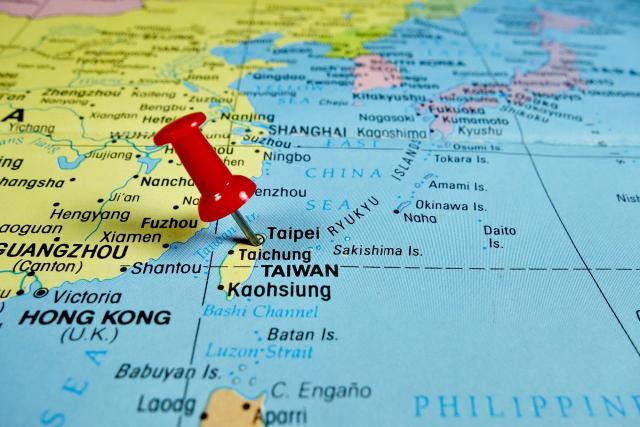
The beginning of major state-on-state conflict is almost always a surprise . . . at least to one of the two sides. The China–Taiwan conflict of early 2021 was no exception. The overlapping factors that brought it about now seem so obvious in retrospect. First, the convergence of Thucydides’ three sources of conflict—fear, honor, and interest—was unprecedented at the time. On top of this, Chinese recognition of a once-in-a-lifetime opportunity and leader Xi Jinping’s eagerness to solidify his re-election in 2023 made it almost inevitable.

Why Now?

Regarding “fear” as a source of the conflict, we always knew the Chinese Communist Party, as an authoritarian regime, harbored as its principal concern a loss of control over its own population. As the roller coaster year of 2020 dragged into its second half, a resurgence of COVID-19—this time scattered throughout the country and again initially covered up by the regime—began to cast real doubt among the Chinese population of the competence of the Party and its leader Xi Jinping. The crash of the Chinese economy, due partly to COVID and to secondary sanctions imposed by the United States on China’s banks after the crackdown in Hong Kong (itself the result of a U.S. administration wanting to look tough on China during an election campaign), only exacerbated Xi’s concerns. Watching protests break out and fully aware of the historical fragility of the so-called “Mandate from Heaven,” Xi began to look for an external cause to distract the population from its mounting anger and anxiety.
As for “honor,” we were always aware of China’s ambition to integrate what it viewed as the renegade province of Taiwan into the mainland People’s Republic. Early in his rule, Xi dispensed with the patience Deng Xiaoping expressed on this matter, making reunification a regular part of his political speeches. For its part, Taiwan’s leader Tsai Ing-wen, sensing Chinese political weakness stemming from internal stresses and feeling pressure from inside her Democratic Progressive Party to respond to Xi, began to extend her own rhetoric regarding independence into areas previously considered taboo. Without calling for outright independence, Tsai went so far as to say that with the loss of the “Hong Kong model,” reunification at any time in the future no longer seemed possible. 
Further, the humiliating rhetoric and action that accompanied the ramp-up to the U.S. election—in what was a race to the bottom from both candidates to show who would be toughest on China—only made matters worse. A U.S. travel ban on Chinese Communist Party members and their families, imposed right before many students were preparing to travel to the States to continue their higher education, was an embarrassment and impacted carefully laid plans to exfiltrate additional U.S. intellectual property. Perhaps most startling for Beijing was the visit of the U.S. Chairman of the Joint Chiefs of Staff to Taipei—the most senior U.S. official to visit the island in decades—followed by a brief training detachment of U.S. Air Force F-22 Raptors to the island.
The factor of “interest” was complex and clearly overlapped with the other two factors. The U.S. campaign against Huawei was seen by the Chinese government as a clear shot against Chinese economic interests, as well as depriving that nation of an important intelligence tool.  However, dependence on microchips manufactured in the U.S. and Taiwan was a far greater national security concern for China’s leaders. The last straw in this concern and the overall dynamic was the U.S. embargo of the sale of any American-made microchips to China until China stopped its economic espionage against the United States. The strategic importance to China of Taiwan-made chips skyrocketed overnight. 
As China’s leaders began to consider their response options, they sensed an opportunity emerging in late November. No one was surprised that the U.S. election results turned out to be contentious and contested—indeed, senior Chinese leaders were aware of the Russian influence campaign intended to amplify American divisions. But the degree of enmity surrounding the prolonged cases in multiple state and federal courts, rising to violence in a number of major metropolitan areas, rose beyond what Beijing thought likely. 
It soon became clear to the seven members of the Politburo Standing Committee (PBSC) that the 2021 U.S. political transition would be an even more vulnerable time than usual for U.S. decision-making. Xi, needing his own political win before his 2023 re-election, argued to his hand-picked allies on the Committee that such an opportunity would only appear every few decades. Once the members came to agreement that China would be willing to suffer what it believed would be temporary and half-hearted opprobrium from the international community in exchange for achievement of a long-held goal, the die was cast. The PBSC decided in mid-December to place in motion Operation Red Province—to bring Taiwan back into China.
Taiwan-Republic of China

How

From the beginning, China knew it needed to avoid open conflict, if at all possible, with the United States, and to control escalation if that goal were to fail. Thus, Sun Tzu’s maxim “win without fighting" had long ago been given as a key constraint to the operation’s planners. The integrated planning team gave itself several implied tasks. First, they constructed the move to be so sudden that it would preempt U.S. action, drawing on another Tzu maxim, that "all warfare is based on deception." Second, they enveloped the plan in an information campaign designed to minimize resistance to Chinese actions, introduce confusion within its adversaries, and mitigate international condemnation of the move.
Their first task was to find a legal pretext for the move. While Russia would normally use pumped up—or even provoked—harm being done to ethnic Russians in a target country, this pretense was not available to China. Rather, planners chose their long-standing claim of the island being part of China—a condition subtly confirmed by U.S. President Richard Nixon and Henry Kissinger when they agreed to remove Taiwan from the United Nations in exchange for opening ties between Washington and Beijing. Non-government voices on the island, orchestrated as a deception operation by Chinese intelligence services, now called for full independence, creating a predicate for Beijing to move on its legal claim.
The PRC deliberately ratcheted up tensions with the island in December 2020 and commenced a major military exercise along its east coast in early January that was ostensibly designed to be a signal to Taiwan. The West, distracted by the U.S. election drama and the ongoing pandemic, viewed this as mere saber-rattling. 
The operation unfolded quickly, beginning on the evening of 18 January, two days before the scheduled—and still in-doubt—U.S. presidential inauguration. A message was transmitted to Taiwan’s leaders that they had the option of immediate peaceful capitulation or armed coercion, and that in the case of the former there would be no recriminations. 
Simultaneously, a series of closely coordinated Chinese military moves unfolded that were intended to put a stranglehold on Taiwan and deter any other nation from interfering. All over Taiwan, Chinese intelligence operatives and special forces not in uniform–China’s own “little green men”—emerged to take control of key facilities and sabotage military facilities. A host of cyberattacks crippled Taiwan’s public media and took down key elements of the power grid. The attack on Taiwan was underway.
Chinese forces previously engaged in the exercise swiftly turned their attention across the Strait, and, after tough resistance on the ground, seized several islands claimed by Taiwan, including Quemoy, Matsu, and the Penghus. Peoples Liberation Army Navy submarines deployed to close the northern and southern entrances to the Taiwan Strait, and also deployed east of Taiwan to prepare for potential action against U.S. Navy ships. Any Taiwan Navy surface ships underway were engaged quickly and sunk. Chinese media highlighted the presence of thousands of ballistic and cruise missiles in launching positions capable of targeting key facilities on Taiwan. An immediate sea and air blockade of the island was announced, pending Taipei’s decision on Beijing’s ultimatum. 
At the same time, the PLAN’s amphibious forces—including an enormous number of fishing vessels quickly pressed into service—got underway in preparation for landing Chinese ground forces on the island’s west coast, and air defense ships extended their umbrella over the island’s airspace. Again, both were highlighted to the leaders in Taiwan.
Meanwhile, China’s “Wolf Warrior Diplomats” commenced an engagement blitz to offer carrots and sticks to governments across the globe to support, or at least not resist, this important and long-needed move by China. Particular care was taken with Japan to ensure it was clear to the government of Shinzō Abe that any support provided to a U.S. response would be considered hostile action against China. 
A legion of Chinese information warriors executed a pre-planned global campaign, using all forms of media, with messages carefully tailored for individual audiences. For Western audiences, the messages ranged from overt condemnations of Taiwan’s government to covert insertions of “Why does this crisis matter to Americans?” into social media. For East Asian audiences, the messages included “The United States is powerless to intervene; we mean no harm to any regional nation that stays out of this; and your future depends on China’s benevolent leadership.” For the rest of the world, the message was: “Don’t join in any international rebuke of China or suffer the consequences of reduced Chinese trade and investment.” Chinese media flooded international outlets with reminders of the PLA’s ability to target ships and airfields using ballistic missiles, as well as veiled warnings that China could target the U.S. west coast with conventional weapons.  
In Washington, Chinese Ambassador Cui Tiankai summoned the head of the State Department’s Bureau of East Asian and Pacific Affairs to the embassy on the morning of 19 January, delivering an explicit warning to the United States not to intervene, noting that China would take all necessary measures to prevent such interference. Similar warnings were delivered to Australia, Japan, South Korea, and other close U.S. allies.  A sudden, mysterious power outage in Indianapolis that afternoon was loosely attributed to a Chinese cyberattack, which seemed carefully calibrated not to provoke the United States, but to suggest “We can do more.” 
With few options of their own, Taipei looked to Washington.

The Response

While stock markets across the globe crashed on 19 January, confusion reigned in Washington and other capitals as the crisis unfolded. The United States called for an immediate U.N. Security Council meeting but was stiff-armed by China and Russia. A host of capitals made tough statements about unlawful Chinese aggression, but it quickly became apparent that international leaders were waiting for the U.S. response on the one hand and were concerned about the vulnerability of their economies to Chinese threats on the other. The Congressional Taiwan Caucus—the second-largest caucus in Congress—angrily condemned the move and called for an immediate U.S. response but fell short of providing specifics.
In Washington, on the afternoon of 19 January, just as the U.S. Supreme Court finally resolved the electoral crisis, the National Security Council Principals Committee hastily convened a meeting to consider the situation. Called upon to provide military options for the President’s consideration, the Secretary of Defense and Chairman of the Joint Chiefs stated that the U.S. Seventh Fleet was recalling its personnel, getting ships underway as soon as possible, and awaiting further instructions. U.S. Pacific Air Force assets in the region would begin moving to dispersal fields within 24 hours. 
The committee was deeply divided. Some demanded immediate action, pointing to the U.S. commitment to defend Taiwan from an unprovoked attack, the risk to the U.S. reputation as a reliable ally, and the sea change that a failure to act could cause in the perception of the United States as a major power and guarantor of peace. Others pointed to the speed of the Chinese campaign compared to U.S. force movements, suggesting that, in the face of such a fait accompli, a U.S. response would be a costly effort to take Taiwan back rather than defend it. The Secretary of Defense stated that doing so would involve high risk and require full mobilization for war—taking the air from the room.
Several angry cabinet members began asking why so much had been invested in countering China militarily when it appeared little could be done to stop the loss of Taiwan. The meeting broke up after two hours of acrimonious debate with no resolution other than to make a strong statement condemning Chinese actions and expressing support for Taiwan. As people got up to leave the White House Situation Room, the National Security Advisor said, “This is not about whether we stand behind Taiwan—we do—but it looks like we may have been outmaneuvered. I don’t like it, but this is going to have to wait until after the inauguration tomorrow.” 
By then it was already too late. On the morning of 20 January in Taiwan—still late in the evening of the 19th in the States—Taiwan’s government realized that, while the Taiwanese Armed Forces remained capable of putting up stiff resistance for a limited time, U.S. forces would require too much time to be brought to bear. In mid-morning, realizing Taiwan was on the brink of a bloodbath, Tsai Ing-wen reluctantly capitulated to Xi’s demands, expressing hope that the people of Taiwan would be able to retain at least some measure of freedom. 
That evening in Beijing, three hours before the Chief Justice delivered the oath of office on the steps of the Capitol, Xi Jinping triumphantly addressed the Chinese people, declaring that the most important step in the “Chinese Dream,” which he had been championing as his future legacy since 2013, had now come true. He welcomed the people of Taiwan “home” and promised local elections down the road. Tsai’s government was replaced the next day by a group led by a Taiwan politician who had long called for reunification with the mainland. 

The Day After

When the Chairman of the Joint Chiefs walked into the regularly scheduled “Tank” session on 21 January, he sat down heavily in his chair and said “I have three questions: What just happened? What do we do now? And what the hell should we have been doing differently?” He was answered by silence, until one of the Chiefs quietly muttered, “Strategic ambiguity failed, and we fell prey to a lack of imagination.”
At the same time, another meeting was taking place in the office of the Director of National Intelligence (DNI). The country's senior most intelligence officer, the DNI asked his team "How did we not see this coming? How did we not warn of this?" After a few moments, the CIA Director said, "Twenty-years of focusing on counterterrorism and counterinsurgency, rather than our peer competitors, has come home to roost. We've got a lot of work to do."
In the end, the conflict for which the United States, and in particular the American military, prepared for so long and for which it provided billions of dollars in military hardware to Taiwan, had been lost before it started.