https://en.wikipedia.org/wiki/Cultural_hegemony
https://en.wikipedia.org/wiki/Hegemony
The Marxist theory of cultural hegemony, associated particularly with Antonio Gramsci, is the idea that the ruling class can manipulate the value system and mores of a society, so that their view becomes the world view (Weltanschauung): in Terry Eagleton's words, "Gramsci normally uses the word hegemony to mean the ways in which a governing power wins consent to its rule from those it subjugates".[11] In contrast to authoritarian rule, cultural hegemony "is hegemonic only if those affected by it also consent to and struggle over its common sense".[12]
Friday, August 21, 2020
Critical Neuroscience
https://www.criticalneuroscience.org/
https://www.researchgate.net/publication/230546151_Critical_Neuroscience_A_Handbook_of_the_Social_and_Cultural_Contexts_of_Neuroscience
https://www.ncbi.nlm.nih.gov/pmc/articles/PMC4039067/
https://www.frontiersin.org/articles/10.3389/fnhum.2014.00336/full
https://www.academia.edu/3581739/Critical_Neuroscience_A_Handbook_of_the_Social_and_Cultural_Contexts_of_Neuroscience_edited_jointly_with_Suparna_Choudhury_
https://www.researchgate.net/publication/230546151_Critical_Neuroscience_A_Handbook_of_the_Social_and_Cultural_Contexts_of_Neuroscience
https://www.ncbi.nlm.nih.gov/pmc/articles/PMC4039067/
https://www.frontiersin.org/articles/10.3389/fnhum.2014.00336/full
https://www.academia.edu/3581739/Critical_Neuroscience_A_Handbook_of_the_Social_and_Cultural_Contexts_of_Neuroscience_edited_jointly_with_Suparna_Choudhury_

土地公廟 (Daseinsanalysis)
那天我說選擇居所的關鍵是土地公廟
這件事我說過很多遍
看海的日子裡白梅
從海邊私娼寮回到雲林故鄉
就是回到土地公廟
意思是說你看電影
要注意細節的瞬間
意思是說我們的人生
就是白梅的人生
這句話你要仔細想一想
這件事我說過很多遍
看海的日子裡白梅
從海邊私娼寮回到雲林故鄉
就是回到土地公廟
意思是說你看電影
要注意細節的瞬間
意思是說我們的人生
就是白梅的人生
這句話你要仔細想一想
回到自然 (Daseinsanalysis)
就是回到陽光空氣水
這件事很簡單
你只要脫光衣服就可以做到
當然你要選一個炎炎夏日
把自己種在土裡
然後讀一點易經
大哉乾元萬物兹始
至哉坤元萬物兹生
當然我希望你比我運氣好
旁邊不是煉油廠空汙不斷
意思是說我回到的自然
是一個烏煙瘴氣的自然
當然市長和中油否認這一點
他們說我們已經在改善你不要太誇張
水則不是問題
石門水庫水很多
這件事很簡單
你只要脫光衣服就可以做到
當然你要選一個炎炎夏日
把自己種在土裡
然後讀一點易經
大哉乾元萬物兹始
至哉坤元萬物兹生
當然我希望你比我運氣好
旁邊不是煉油廠空汙不斷
意思是說我回到的自然
是一個烏煙瘴氣的自然
當然市長和中油否認這一點
他們說我們已經在改善你不要太誇張
水則不是問題
石門水庫水很多
關於意志 (Psychology of the self) (Critical Psychotherapy)
意志就是 will
關於意志我是極度悲觀的
邪惡的人嘲笑善良的人
你們的意志不如我們的意志堅強
意思是說邪惡的意志無時無刻不在
善良的意志像是不專心的一團麵粉
邪惡的意志則像鋼鐵一樣
可以切穿斬斷收買操弄一切
是的我是悲觀的
對於CCP毀滅人類的意志
據說聖經裡神的旨意終將戰勝惡魔
我打算送一本聖經給拜登慚愧的研讀
當然我知道被CCP收買的人
已經不會慚愧
邪惡的意志嘲笑善良的意志
你如果對抗我你就會變成跟我一樣
是的我打算粉身碎骨在所不惜
反正我也沒有別的事情好做
關於意志我是極度悲觀的
邪惡的人嘲笑善良的人
你們的意志不如我們的意志堅強
意思是說邪惡的意志無時無刻不在
善良的意志像是不專心的一團麵粉
邪惡的意志則像鋼鐵一樣
可以切穿斬斷收買操弄一切
是的我是悲觀的
對於CCP毀滅人類的意志
據說聖經裡神的旨意終將戰勝惡魔
我打算送一本聖經給拜登慚愧的研讀
當然我知道被CCP收買的人
已經不會慚愧
邪惡的意志嘲笑善良的意志
你如果對抗我你就會變成跟我一樣
是的我打算粉身碎骨在所不惜
反正我也沒有別的事情好做
Thursday, August 20, 2020
Antonio Gramsci (1891-1937)
https://www.marxists.org/archive/gramsci/index.htm
https://en.wikipedia.org/wiki/Antonio_Gramsci
Gramsci wrote more than 30 notebooks and 3,000 pages of history and analysis during his imprisonment. His Prison Notebooks are considered a highly original contribution to 20th-century political theory.[7] Gramsci drew insights from varying sources – not only other Marxists but also thinkers such as Niccolò Machiavelli, Vilfredo Pareto, Georges Sorel and Benedetto Croce.
The notebooks cover a wide range of topics, including Italian history and nationalism, the French Revolution, fascism, Taylorism and Fordism, civil society, folklore, religion and high and popular culture.
https://en.wikipedia.org/wiki/Antonio_Gramsci
Gramsci wrote more than 30 notebooks and 3,000 pages of history and analysis during his imprisonment. His Prison Notebooks are considered a highly original contribution to 20th-century political theory.[7] Gramsci drew insights from varying sources – not only other Marxists but also thinkers such as Niccolò Machiavelli, Vilfredo Pareto, Georges Sorel and Benedetto Croce.
The notebooks cover a wide range of topics, including Italian history and nationalism, the French Revolution, fascism, Taylorism and Fordism, civil society, folklore, religion and high and popular culture.
Collections
- Pre-Prison Writings (Cambridge University Press)
- The Prison Notebooks (three volumes) (Columbia University Press)
- Selections from the Prison Notebooks (International Publishers) (1971)
Wednesday, August 19, 2020
故事的層次 (Psychology of the self) (Daseinsanalysis)
剛剛突然知道故事是有層次的
意思是說故事像是樂譜
每次演奏都會有不同的詮釋的可能
當你放下樂譜不再需要樂譜的時候
你才能從心底演奏它
通常這時你的眼睛是閉上的
因為你不再需要看見
你的心知道
它已經變成你的一部份
不過話說回來
來到這樣精采的演出之前
你必須把這個故事說很多遍
那很多遍習作
我們稱之為每天的生活
或心理治療
意思是說故事像是樂譜
每次演奏都會有不同的詮釋的可能
當你放下樂譜不再需要樂譜的時候
你才能從心底演奏它
通常這時你的眼睛是閉上的
因為你不再需要看見
你的心知道
它已經變成你的一部份
不過話說回來
來到這樣精采的演出之前
你必須把這個故事說很多遍
那很多遍習作
我們稱之為每天的生活
或心理治療
Tuesday, August 18, 2020
6:48 PM (Psychology of the self) (Daseinsanalysis) (Critical Psychotherapy)
Are PAR (Participatory Action Research) and Cultural Study obliquely equal to Existential Therapy and Critical Psychotherapy ?
https://www.youtube.com/watch?v=8VSlDI0d7rA
https://www.youtube.com/watch?v=8VSlDI0d7rA
Monday, August 17, 2020
The Long Interview (Qualitative Research Methods Book 13) (Grant McCracken, SAGE, 1988)
The Long Interview provides a systematic guide to the theory and methods of the long qualitative interview or intensive interviewing. It gives a clear explanation of one of the most powerful tools of the qualitative researcher. The volume begins with a general overview of the character and purpose of qualitative inquiry and a review of key issues. The author outlines the four steps of the long qualitative interview and how to judge quality. He then offers practical advice for those who commission and administer this research, including sample questionnaires and budgets to help readers design their own. The author introduces key theoretical and methodological issues, various research strategies, and a simple four-stage model of inquiry, from the design of an open-ended questionnaire to the write up of results. (amazon)
7:56 AM
windy, sunny, less humid, busy week ahead, reading Chris Barker (2004, 2016), shall check Manuel Castells (2015), will Stuart Hall insist to be a new left if he lives in China and is brutally oppressed by CCP? one at a time, especially in hard times and bad days,
Semantic Web
https://en.wikipedia.org/wiki/Semantic_Web#Web_3.0
Berners-Lee originally expressed his vision of the Semantic Web in 1999 as follows:
Networks of Outrage and Hope: Social Movements in the Internet Age 2e (Manuel Castells, Polity, 2015) (Critical Psychotherapy)
Networks of Outrage and Hope is an exploration of the new forms of social movements and protests that are erupting in the world today, from the Arab uprisings to the indignadas movement in Spain, from the Occupy Wall Street movement to the social protests in Turkey, Brazil and elsewhere. While these and similar social movements differ in many important ways, there is one thing they share in common: they are all interwoven inextricably with the creation of autonomous communication networks supported by the Internet and wireless communication.
In this new edition of his timely and important book, Manuel Castells examines the social, cultural and political roots of these new social movements, studies their innovative forms of self-organization, assesses the precise role of technology in the dynamics of the movements, suggests the reasons for the support they have found in large segments of society, and probes their capacity to induce political change by influencing people’s minds. Two new chapters bring the analysis up-to-date and draw out the implications of these social movements and protests for understanding the new forms of social change and political democracy in the global network society. (amazon) (kindle 2020-8-17)
https://www.scribd.com/document/121445813/Some-Reflections-on-Manuel-Castells-Book-Networks-of-Outrage-and-Hope-Social-Movements-in-the-Internet-Age
In this new edition of his timely and important book, Manuel Castells examines the social, cultural and political roots of these new social movements, studies their innovative forms of self-organization, assesses the precise role of technology in the dynamics of the movements, suggests the reasons for the support they have found in large segments of society, and probes their capacity to induce political change by influencing people’s minds. Two new chapters bring the analysis up-to-date and draw out the implications of these social movements and protests for understanding the new forms of social change and political democracy in the global network society. (amazon) (kindle 2020-8-17)
https://www.scribd.com/document/121445813/Some-Reflections-on-Manuel-Castells-Book-Networks-of-Outrage-and-Hope-Social-Movements-in-the-Internet-Age
Manuel Castells's trilogy the information age: economy, society, and culture (2016)
https://www.tandfonline.com/doi/abs/10.1080/1369118X.2016.1151066?journalCode=rics20
https://en.wikipedia.org/wiki/Manuel_Castells (b 1942)
https://en.wikipedia.org/wiki/Manuel_Castells (b 1942)
- The Information Age trilogy:
- Castells, Manuel (1996). The Rise of the Network Society, The Information Age: Economy, Society and Culture Vol. I. Cambridge, Massachusetts; Oxford, UK: Blackwell.
- Castells, Manuel (1997). The Power of Identity, The Information Age: Economy, Society and Culture Vol. II. Cambridge, Massachusetts; Oxford, UK: Blackwell.
- Castells, Manuel (1998).. End of Millennium, The Information Age: Economy, Society and Culture Vol. III. Cambridge, Massachusetts; Oxford, UK: Blackwell.
Sunday, August 16, 2020

好看 (Psychology of the self)
奔波終日回到山腳面對黑夜的山
這時你想被娛樂幾十分鐘
王晶是很好的選擇
香港人都這麼說
好看的關鍵是你事先知道
不是冗長的沉重
所以必須意外
有點像打破一扇窗
你遂看到另一個風景
為什麼是破窗不是開窗
我剛剛說過必須意外
意外以外好看的另一個關鍵是
立刻遺忘 (doesn't register at all)
有點像不 check-in 就 check-out
所以你從來沒有來過哪裡
你要記得那是疲倦的娛樂
不要增加記憶的負擔
甚麼是可以立刻遺忘
不要求你記憶的作品
但是不要求你記憶
不表示你不會回憶
所以好看的定義是
意外的不復記憶的但可回憶的
換句話說是你被帶著
流動但無所謂的
這就是好的生活好的治療的定義
這時你想被娛樂幾十分鐘
王晶是很好的選擇
香港人都這麼說
好看的關鍵是你事先知道
不是冗長的沉重
所以必須意外
有點像打破一扇窗
你遂看到另一個風景
為什麼是破窗不是開窗
我剛剛說過必須意外
意外以外好看的另一個關鍵是
立刻遺忘 (doesn't register at all)
有點像不 check-in 就 check-out
所以你從來沒有來過哪裡
你要記得那是疲倦的娛樂
不要增加記憶的負擔
甚麼是可以立刻遺忘
不要求你記憶的作品
但是不要求你記憶
不表示你不會回憶
所以好看的定義是
意外的不復記憶的但可回憶的
換句話說是你被帶著
流動但無所謂的
這就是好的生活好的治療的定義
文化研究是批判的心理治療的實踐嗎 (Critical Psychotherapy)
我希望是 如果能拒絕陷入花俏的理論的泥沼
意思是說 近兩年看了數千部電影連續劇是必要的
意思是說 在途中 (on the road) 是必要的
你要知道 春日路早上七點有多麼壅塞
意思是說 塞車就是文化研究
意思是說 近兩年看了數千部電影連續劇是必要的
意思是說 在途中 (on the road) 是必要的
你要知道 春日路早上七點有多麼壅塞
意思是說 塞車就是文化研究
歷史怎麼讀哲學 (Psychology of the self) (Daseinsanalysis) (Critical Psychotherapy)
剛剛突然知道自體的心理學怎麼讀存有分析
問的是歷史怎麼讀哲學
或 Vasily Grossman 怎麼讀 Emmanuel Levinas
或 洗碗工怎麼從破碗中讀出碗和洗碗的哲學
總之 怎麼從具體中讀出抽象形上超越
雖然超越這兩字我是發誓不用的
就像昆德拉發誓不用現象學這個詞
歷史怎麼讀哲學
是黑格爾的辯證的歷史哲學嗎
是馬可斯的不見新階級為惡的偽科學歷史觀嗎
是黃宗羲的史亡而後詩作嗎 (所以宋明理學本質上是詩嗎)
歷史的本質是雜亂的廢墟 (mess in the ruins)
樓塌了歷史學家才來到當年樓起宴賓的現場
在那種地方你會想起時間的唏噓和意志的徒費
所以歷史哲學必然是悲觀虛無的嗎
因為光彩高貴善終的故事實在闕如
到了這裡你終於清楚為什麼海德格的存有分析畢竟有關
因為海德格的一生就是廢墟
我說過那是不得救贖的廢墟
想到這裡我不禁釋懷高興起來
問的是歷史怎麼讀哲學
或 Vasily Grossman 怎麼讀 Emmanuel Levinas
或 洗碗工怎麼從破碗中讀出碗和洗碗的哲學
總之 怎麼從具體中讀出抽象形上超越
雖然超越這兩字我是發誓不用的
就像昆德拉發誓不用現象學這個詞
歷史怎麼讀哲學
是黑格爾的辯證的歷史哲學嗎
是馬可斯的不見新階級為惡的偽科學歷史觀嗎
是黃宗羲的史亡而後詩作嗎 (所以宋明理學本質上是詩嗎)
歷史的本質是雜亂的廢墟 (mess in the ruins)
樓塌了歷史學家才來到當年樓起宴賓的現場
在那種地方你會想起時間的唏噓和意志的徒費
所以歷史哲學必然是悲觀虛無的嗎
因為光彩高貴善終的故事實在闕如
到了這裡你終於清楚為什麼海德格的存有分析畢竟有關
因為海德格的一生就是廢墟
我說過那是不得救贖的廢墟
想到這裡我不禁釋懷高興起來
胃口
晨曦中松林童木書齋夜話講1966年紅八月北京高幹子女紅二代的紅衛兵打砸搶殺他們的老師校長這是王友琴文革受難者的兇手這些狼仔殺人的胃口在血流成河的北京城養大
你要理解目前當權的六十多歲的五零那一代就是這批當年殺人不眨眼的北京紅衛兵
拉康學派精神分析說殺人食人的胃口和人奶宴大吃大喝的胃口和貪汙掠奪十四億人民的胃口和玩女人的胃口是同一個胃口
老松說北京城的那批紅衛兵沒有一個無辜沒有一個懺悔因為他們是根正描紅的紅衛兵
他們只有鬥與被鬥的仇恨
親愛的五毛們你們知道你們的主子們是甚麼貨色了罷
我希望我能歷史的同理但我實在做不到
再說一次你要知道汪東興在毛澤東的專列上幫他找女人不停打炮之際就是文革血洗整個中國包括廣西南寧吃人的同時
這兩個對比的畫面就是文革
我是說打炮和吃人
西方世界的新左派知識份子顯然不知道這兩個胃口有多美妙
你要理解目前當權的六十多歲的五零那一代就是這批當年殺人不眨眼的北京紅衛兵
拉康學派精神分析說殺人食人的胃口和人奶宴大吃大喝的胃口和貪汙掠奪十四億人民的胃口和玩女人的胃口是同一個胃口
老松說北京城的那批紅衛兵沒有一個無辜沒有一個懺悔因為他們是根正描紅的紅衛兵
他們只有鬥與被鬥的仇恨
親愛的五毛們你們知道你們的主子們是甚麼貨色了罷
我希望我能歷史的同理但我實在做不到
再說一次你要知道汪東興在毛澤東的專列上幫他找女人不停打炮之際就是文革血洗整個中國包括廣西南寧吃人的同時
這兩個對比的畫面就是文革
我是說打炮和吃人
西方世界的新左派知識份子顯然不知道這兩個胃口有多美妙
The Kingdom That Failed (Haruki Murakami, The New Yorker, 2020-8-13)
https://www.newyorker.com/books/flash-fiction/the-kingdom-that-failed?utm_source=nl&utm_brand=tny&utm_mailing=TNY_Daily_081520&utm_campaign=aud-dev&utm_medium=email&bxid=5e1b55bc576f2c5df1220065&cndid=59646955&hasha=55cfbc3c817bcf26b54c8d19b8fe535a&hashb=2f53836f758ec35266827c1a73652d20b8cf5159&hashc=bfe0b2e9bf93f6b293aad4baaf1694d4ef3d86677736166ccb6e8563430c861d&esrc=bounceX&utm_term=TNY_Daily
https://www.newyorker.com/books/flash-fiction
https://www.newyorker.com/books/flash-fiction
Saturday, August 15, 2020
The War that Never Was? (US Naval Institute, Proceedings, Aug, 2020)
https://tw.aboluowang.com/2020/0815/1489613.html
https://www.usni.org/magazines/proceedings/2020/august/war-never-was
https://www.usni.org/magazines/proceedings/2020/august/war-never-was
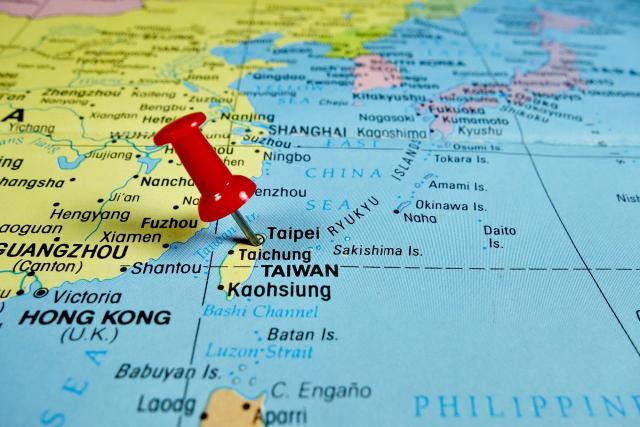
The beginning of major state-on-state conflict is almost always a surprise . . . at least to one of the two sides. The China–Taiwan conflict of early 2021 was no exception. The overlapping factors that brought it about now seem so obvious in retrospect. First, the convergence of Thucydides’ three sources of conflict—fear, honor, and interest—was unprecedented at the time. On top of this, Chinese recognition of a once-in-a-lifetime opportunity and leader Xi Jinping’s eagerness to solidify his re-election in 2023 made it almost inevitable.
Why Now?
Regarding “fear” as a source of the conflict, we always knew the Chinese Communist Party, as an authoritarian regime, harbored as its principal concern a loss of control over its own population. As the roller coaster year of 2020 dragged into its second half, a resurgence of COVID-19—this time scattered throughout the country and again initially covered up by the regime—began to cast real doubt among the Chinese population of the competence of the Party and its leader Xi Jinping. The crash of the Chinese economy, due partly to COVID and to secondary sanctions imposed by the United States on China’s banks after the crackdown in Hong Kong (itself the result of a U.S. administration wanting to look tough on China during an election campaign), only exacerbated Xi’s concerns. Watching protests break out and fully aware of the historical fragility of the so-called “Mandate from Heaven,” Xi began to look for an external cause to distract the population from its mounting anger and anxiety.
As for “honor,” we were always aware of China’s ambition to integrate what it viewed as the renegade province of Taiwan into the mainland People’s Republic. Early in his rule, Xi dispensed with the patience Deng Xiaoping expressed on this matter, making reunification a regular part of his political speeches. For its part, Taiwan’s leader Tsai Ing-wen, sensing Chinese political weakness stemming from internal stresses and feeling pressure from inside her Democratic Progressive Party to respond to Xi, began to extend her own rhetoric regarding independence into areas previously considered taboo. Without calling for outright independence, Tsai went so far as to say that with the loss of the “Hong Kong model,” reunification at any time in the future no longer seemed possible.
Further, the humiliating rhetoric and action that accompanied the ramp-up to the U.S. election—in what was a race to the bottom from both candidates to show who would be toughest on China—only made matters worse. A U.S. travel ban on Chinese Communist Party members and their families, imposed right before many students were preparing to travel to the States to continue their higher education, was an embarrassment and impacted carefully laid plans to exfiltrate additional U.S. intellectual property. Perhaps most startling for Beijing was the visit of the U.S. Chairman of the Joint Chiefs of Staff to Taipei—the most senior U.S. official to visit the island in decades—followed by a brief training detachment of U.S. Air Force F-22 Raptors to the island.
The factor of “interest” was complex and clearly overlapped with the other two factors. The U.S. campaign against Huawei was seen by the Chinese government as a clear shot against Chinese economic interests, as well as depriving that nation of an important intelligence tool. However, dependence on microchips manufactured in the U.S. and Taiwan was a far greater national security concern for China’s leaders. The last straw in this concern and the overall dynamic was the U.S. embargo of the sale of any American-made microchips to China until China stopped its economic espionage against the United States. The strategic importance to China of Taiwan-made chips skyrocketed overnight.
As China’s leaders began to consider their response options, they sensed an opportunity emerging in late November. No one was surprised that the U.S. election results turned out to be contentious and contested—indeed, senior Chinese leaders were aware of the Russian influence campaign intended to amplify American divisions. But the degree of enmity surrounding the prolonged cases in multiple state and federal courts, rising to violence in a number of major metropolitan areas, rose beyond what Beijing thought likely.
It soon became clear to the seven members of the Politburo Standing Committee (PBSC) that the 2021 U.S. political transition would be an even more vulnerable time than usual for U.S. decision-making. Xi, needing his own political win before his 2023 re-election, argued to his hand-picked allies on the Committee that such an opportunity would only appear every few decades. Once the members came to agreement that China would be willing to suffer what it believed would be temporary and half-hearted opprobrium from the international community in exchange for achievement of a long-held goal, the die was cast. The PBSC decided in mid-December to place in motion Operation Red Province—to bring Taiwan back into China.
How
From the beginning, China knew it needed to avoid open conflict, if at all possible, with the United States, and to control escalation if that goal were to fail. Thus, Sun Tzu’s maxim “win without fighting" had long ago been given as a key constraint to the operation’s planners. The integrated planning team gave itself several implied tasks. First, they constructed the move to be so sudden that it would preempt U.S. action, drawing on another Tzu maxim, that "all warfare is based on deception." Second, they enveloped the plan in an information campaign designed to minimize resistance to Chinese actions, introduce confusion within its adversaries, and mitigate international condemnation of the move.
Their first task was to find a legal pretext for the move. While Russia would normally use pumped up—or even provoked—harm being done to ethnic Russians in a target country, this pretense was not available to China. Rather, planners chose their long-standing claim of the island being part of China—a condition subtly confirmed by U.S. President Richard Nixon and Henry Kissinger when they agreed to remove Taiwan from the United Nations in exchange for opening ties between Washington and Beijing. Non-government voices on the island, orchestrated as a deception operation by Chinese intelligence services, now called for full independence, creating a predicate for Beijing to move on its legal claim.
The PRC deliberately ratcheted up tensions with the island in December 2020 and commenced a major military exercise along its east coast in early January that was ostensibly designed to be a signal to Taiwan. The West, distracted by the U.S. election drama and the ongoing pandemic, viewed this as mere saber-rattling.
The operation unfolded quickly, beginning on the evening of 18 January, two days before the scheduled—and still in-doubt—U.S. presidential inauguration. A message was transmitted to Taiwan’s leaders that they had the option of immediate peaceful capitulation or armed coercion, and that in the case of the former there would be no recriminations.
Simultaneously, a series of closely coordinated Chinese military moves unfolded that were intended to put a stranglehold on Taiwan and deter any other nation from interfering. All over Taiwan, Chinese intelligence operatives and special forces not in uniform–China’s own “little green men”—emerged to take control of key facilities and sabotage military facilities. A host of cyberattacks crippled Taiwan’s public media and took down key elements of the power grid. The attack on Taiwan was underway.
Chinese forces previously engaged in the exercise swiftly turned their attention across the Strait, and, after tough resistance on the ground, seized several islands claimed by Taiwan, including Quemoy, Matsu, and the Penghus. Peoples Liberation Army Navy submarines deployed to close the northern and southern entrances to the Taiwan Strait, and also deployed east of Taiwan to prepare for potential action against U.S. Navy ships. Any Taiwan Navy surface ships underway were engaged quickly and sunk. Chinese media highlighted the presence of thousands of ballistic and cruise missiles in launching positions capable of targeting key facilities on Taiwan. An immediate sea and air blockade of the island was announced, pending Taipei’s decision on Beijing’s ultimatum.
At the same time, the PLAN’s amphibious forces—including an enormous number of fishing vessels quickly pressed into service—got underway in preparation for landing Chinese ground forces on the island’s west coast, and air defense ships extended their umbrella over the island’s airspace. Again, both were highlighted to the leaders in Taiwan.
Meanwhile, China’s “Wolf Warrior Diplomats” commenced an engagement blitz to offer carrots and sticks to governments across the globe to support, or at least not resist, this important and long-needed move by China. Particular care was taken with Japan to ensure it was clear to the government of Shinzō Abe that any support provided to a U.S. response would be considered hostile action against China.
A legion of Chinese information warriors executed a pre-planned global campaign, using all forms of media, with messages carefully tailored for individual audiences. For Western audiences, the messages ranged from overt condemnations of Taiwan’s government to covert insertions of “Why does this crisis matter to Americans?” into social media. For East Asian audiences, the messages included “The United States is powerless to intervene; we mean no harm to any regional nation that stays out of this; and your future depends on China’s benevolent leadership.” For the rest of the world, the message was: “Don’t join in any international rebuke of China or suffer the consequences of reduced Chinese trade and investment.” Chinese media flooded international outlets with reminders of the PLA’s ability to target ships and airfields using ballistic missiles, as well as veiled warnings that China could target the U.S. west coast with conventional weapons.
In Washington, Chinese Ambassador Cui Tiankai summoned the head of the State Department’s Bureau of East Asian and Pacific Affairs to the embassy on the morning of 19 January, delivering an explicit warning to the United States not to intervene, noting that China would take all necessary measures to prevent such interference. Similar warnings were delivered to Australia, Japan, South Korea, and other close U.S. allies. A sudden, mysterious power outage in Indianapolis that afternoon was loosely attributed to a Chinese cyberattack, which seemed carefully calibrated not to provoke the United States, but to suggest “We can do more.”
With few options of their own, Taipei looked to Washington.
The Response
While stock markets across the globe crashed on 19 January, confusion reigned in Washington and other capitals as the crisis unfolded. The United States called for an immediate U.N. Security Council meeting but was stiff-armed by China and Russia. A host of capitals made tough statements about unlawful Chinese aggression, but it quickly became apparent that international leaders were waiting for the U.S. response on the one hand and were concerned about the vulnerability of their economies to Chinese threats on the other. The Congressional Taiwan Caucus—the second-largest caucus in Congress—angrily condemned the move and called for an immediate U.S. response but fell short of providing specifics.
In Washington, on the afternoon of 19 January, just as the U.S. Supreme Court finally resolved the electoral crisis, the National Security Council Principals Committee hastily convened a meeting to consider the situation. Called upon to provide military options for the President’s consideration, the Secretary of Defense and Chairman of the Joint Chiefs stated that the U.S. Seventh Fleet was recalling its personnel, getting ships underway as soon as possible, and awaiting further instructions. U.S. Pacific Air Force assets in the region would begin moving to dispersal fields within 24 hours.
The committee was deeply divided. Some demanded immediate action, pointing to the U.S. commitment to defend Taiwan from an unprovoked attack, the risk to the U.S. reputation as a reliable ally, and the sea change that a failure to act could cause in the perception of the United States as a major power and guarantor of peace. Others pointed to the speed of the Chinese campaign compared to U.S. force movements, suggesting that, in the face of such a fait accompli, a U.S. response would be a costly effort to take Taiwan back rather than defend it. The Secretary of Defense stated that doing so would involve high risk and require full mobilization for war—taking the air from the room.
Several angry cabinet members began asking why so much had been invested in countering China militarily when it appeared little could be done to stop the loss of Taiwan. The meeting broke up after two hours of acrimonious debate with no resolution other than to make a strong statement condemning Chinese actions and expressing support for Taiwan. As people got up to leave the White House Situation Room, the National Security Advisor said, “This is not about whether we stand behind Taiwan—we do—but it looks like we may have been outmaneuvered. I don’t like it, but this is going to have to wait until after the inauguration tomorrow.”
By then it was already too late. On the morning of 20 January in Taiwan—still late in the evening of the 19th in the States—Taiwan’s government realized that, while the Taiwanese Armed Forces remained capable of putting up stiff resistance for a limited time, U.S. forces would require too much time to be brought to bear. In mid-morning, realizing Taiwan was on the brink of a bloodbath, Tsai Ing-wen reluctantly capitulated to Xi’s demands, expressing hope that the people of Taiwan would be able to retain at least some measure of freedom.
That evening in Beijing, three hours before the Chief Justice delivered the oath of office on the steps of the Capitol, Xi Jinping triumphantly addressed the Chinese people, declaring that the most important step in the “Chinese Dream,” which he had been championing as his future legacy since 2013, had now come true. He welcomed the people of Taiwan “home” and promised local elections down the road. Tsai’s government was replaced the next day by a group led by a Taiwan politician who had long called for reunification with the mainland.
The Day After
When the Chairman of the Joint Chiefs walked into the regularly scheduled “Tank” session on 21 January, he sat down heavily in his chair and said “I have three questions: What just happened? What do we do now? And what the hell should we have been doing differently?” He was answered by silence, until one of the Chiefs quietly muttered, “Strategic ambiguity failed, and we fell prey to a lack of imagination.”
At the same time, another meeting was taking place in the office of the Director of National Intelligence (DNI). The country's senior most intelligence officer, the DNI asked his team "How did we not see this coming? How did we not warn of this?" After a few moments, the CIA Director said, "Twenty-years of focusing on counterterrorism and counterinsurgency, rather than our peer competitors, has come home to roost. We've got a lot of work to do."
In the end, the conflict for which the United States, and in particular the American military, prepared for so long and for which it provided billions of dollars in military hardware to Taiwan, had been lost before it started.
節奏 (Psychology of the self)
二十年前聽楊郁文老師講阿含密密麻麻講了些甚麼都忘光了
但記得楊老師指著身上穿的襯衫說這件衣服已經穿了十八年
還有就是他說生活像是忙碌的陀螺轉個不停但中心是不動的
車速九十和一百是不同的心境我正在學這件事
當然一百一十更是不同的心境我正在學這件事
所以關鍵在留白和速度
前者宜遼闊後者宜緩和
我正在學這件事
但記得楊老師指著身上穿的襯衫說這件衣服已經穿了十八年
還有就是他說生活像是忙碌的陀螺轉個不停但中心是不動的
車速九十和一百是不同的心境我正在學這件事
當然一百一十更是不同的心境我正在學這件事
所以關鍵在留白和速度
前者宜遼闊後者宜緩和
我正在學這件事
我想說的存在治療 (Psychology of the self) (Daseinsanalysis) (Critical Psychotherapy)
1.
心理治療 基本上 是有一個人
走進去一個房間 與另一個人相會 告訴那個人 關於自己的一生
這個告訴 隱含著重新萌芽的信任
混雜著忐忑不安 猶疑退卻 但終於鼓起勇氣 被波濤洶湧的回憶 和阻擋不住的淚水淹沒 但又混雜著羞於啟齒 或無法回憶的創傷 久久無語
上述 是病人的困難
因為你要知道 那個告訴 常常是此生第一次告訴
換句話說 那些回憶 那些話 是放在心裡 沉壓在心裡 鑰匙已經遺失的暗室裡 的回憶 和話
2.
所以 心理治療 基本上 是有一個人
走進去一個房間 與另一個人相會 告訴那個人 關於自己的一生
以至於 可以看著自己的一生
好像 在看著一個陌生人的一生
3.
如果你認為
每一個症狀 背後 都有它的情結
驅力 和妥協
治療者幫助他的病人 自我察覺
那些情結 驅力 和妥協 逐漸知道 甚麼在撩動自己 (what makes me tick ?) 這就是心理動力心理治療
每一個敘事 背後 都有敘事者的存在的困局
治療者幫助他的病人 自我察覺
他在承受(endure)的 是如何巨大的考驗(ordeal) 這就是存在治療
如果你相信
每一個症狀 背後 都有它失真的判斷
治療者幫助他的病人 學習正確的判斷
這就是認知行為治療
4.
所以 治療者和他的病人 他們在哪裡相會
在症狀的構造相會 (心理動力心理治療)
在生命的壕溝相會 (存在治療)
在家教補習班相會 (認知行為治療)
5.
現象學的路 不是存在治療的專利
你只要有誠意 有耐心 願意把話聽透 你就是現象學家
現象學家的本事 是聆聽 和不要急著結論
以致 他和他面對的敘事 之間
可以發生詮釋學的 難解的 久久不能忘懷的 反覆重返的 經驗
他如此珍視 他面對的敘事 以致
他和敘事者 遂來到互為主體的 兩個旅行者(fellow travellers) 的關係
6.
到這裡 你問 心理動力心理治療
和存在治療 有甚麼關係
佛洛伊德跟Binswanger說 他是住在地下室的 而Binswanger是住在樓上的
佛洛伊德沒有把話說清楚
精神分析是住在B2 乃至B3 B4 乃至Bn的
心理動力心理治療 是住在B1的
我的看法是 存在治療 是住在一樓的
但有些人會說 存在治療 是住在二樓以上
甚至七樓八樓的 不用懷疑 在那些樓層 你會有屬靈的天使當鄰居
7.
所以 我們 重新問一次問題
B1和一樓 有甚麼關係
你必須盡其必要的心理動力心理治療
才能盡其可能的存在治療
你必須熟悉B1 才能待在一樓
B1是存放雜物的地方 光線不好 空氣不流通 有時候透過狹窄的窗 你可以見到屋外行人的腳
一樓是你生活起居的地方 當然我希望
窗外是一片草原
但實情常常是 窗外是喧囂的街道
狹窄的巷弄 和迫人的 沒有永久棟距的 隔壁高樓的陰影
意思是說 我們的生活 是一樁薛西弗斯的無盡的瑣碎的苦差事
我不記得 卡謬有說過 薛西弗斯和飛舞的天使飲茶談心
8.
所以 我想說的存在治療 是草根的
泥土的 從下往上長的 (bottom-up) 是不得救贖的
我不確定 那個存在治療的敘事者
從材米油鹽的汗水中 能不能終於 看到一片草原 來到一個湖泊
Friday, August 14, 2020
胡錫進教你怎麼在台灣做一個成功的匪諜
首先你要知道今天艷陽高照
昨天我去北榮講川普和存在治療
今天下午我要南行夜行貨車的南行
回程要去頂好超市買一桶牛奶
其次你要知道好看的電影並沒有打算好看
好看與否是你看過之後才驚艷知道的
意思是說看之前你沒有慕名去看或被要求去看
你是意外發現的
這件事教我們人生不應為噱頭所惑
才能在婊子中找到比珍珠更珍珠的情義
比小說更小說的小說比詩更詩的詩
專家說你要注意喝酒的速度
要找到你的肝臟代謝酒精的上限
然後在那個上限的邊緣上巡弋
意思是說維持在有一點醉
但還可以用英文講三國演義的狀態
那個巡弋決定於時間
比如每五分鐘你的肝臟
只能代謝一杯高粱
那你就不該五分鐘內乾掉三杯以上
上述說明人生是可結算的 (calculable) 可度量的 (measurable)
可被交換的 (exchangeable) 用過即棄的 (disposable)
這四個關鍵字 (key words) 就是老胡的一課
昨天我去北榮講川普和存在治療
今天下午我要南行夜行貨車的南行
回程要去頂好超市買一桶牛奶
其次你要知道好看的電影並沒有打算好看
好看與否是你看過之後才驚艷知道的
意思是說看之前你沒有慕名去看或被要求去看
你是意外發現的
這件事教我們人生不應為噱頭所惑
才能在婊子中找到比珍珠更珍珠的情義
比小說更小說的小說比詩更詩的詩
專家說你要注意喝酒的速度
要找到你的肝臟代謝酒精的上限
然後在那個上限的邊緣上巡弋
意思是說維持在有一點醉
但還可以用英文講三國演義的狀態
那個巡弋決定於時間
比如每五分鐘你的肝臟
只能代謝一杯高粱
那你就不該五分鐘內乾掉三杯以上
上述說明人生是可結算的 (calculable) 可度量的 (measurable)
可被交換的 (exchangeable) 用過即棄的 (disposable)
這四個關鍵字 (key words) 就是老胡的一課
Thursday, August 13, 2020
7:09 PM
summer heat, though not severe, humid, sweaty, no rain, after all, 首戰即終戰 所以大家此生唯一要做的事 就是避戰投降 搶著排隊 舔習近平的屁眼 ; forms of vitality (daniel stern, 2010); change in psychotherapy a unifying paradigm (BCPSG, 2014); both no e-texts;
中共軍隊被令”不能開第一槍”,釋放什麼信號?南海和台海局勢,哪個更一觸即發?美台走在建交的路上
https://www.youtube.com/watch?v=OGMGjMXtSDI
共匪的持久戰的狡猾不可輕忽
共匪會用戰術戰略核武器
早上我說過共匪有三個招式反覆使用 一是大躍進 (集中力量辦大事 大事的意思是大惡事) 二是文革 (把人分類後 輪流鬥與被鬥) 三是套路甚深 (捨不得孩子 套不了狼 甚麼都有價碼 甚麼都可以收買 甚麼都買得到)
共匪的持久戰的狡猾不可輕忽
共匪會用戰術戰略核武器
早上我說過共匪有三個招式反覆使用 一是大躍進 (集中力量辦大事 大事的意思是大惡事) 二是文革 (把人分類後 輪流鬥與被鬥) 三是套路甚深 (捨不得孩子 套不了狼 甚麼都有價碼 甚麼都可以收買 甚麼都買得到)
3:14 AM (2020-8-13)
now, as I see it, the story will start from Daniel Stern (2007) appropriately, or like he said, felicitously, since Feli's husband was shot by some Swiss hunter when he flew over the lake, you know, the same shameful thing happened too in Winged Migration (2001), and, you see, that was no hunter, real hunters lived in Pleistocene, with bare stone tool, to face those megafauna
I attended Stern's workshop once at Cape Cod in summer 1991, not remember the details, but it seemed he mentioned "present moment" back then, and said something like "psychotherapy is part of the flow of life, do what you can, during this time; and, maybe, something more, next time", I had a feeling of being liberated when I heard that, I remember
Wednesday, August 12, 2020
用一句話來說明 (Psychology of the self) (Daseinsanalysis) (Critical Psychotherapy)
為什麼要講存在治療
因為如果你不相信心理治療只是心理學
為什麼要講批判的心理治療
因為如果你不相信人生的困難只是內的困難
因為如果你不相信心理治療只是心理學
為什麼要講批判的心理治療
因為如果你不相信人生的困難只是內的困難
n - 1 誰知趙家人的盤中餐 粒粒皆辛苦
https://www.youtube.com/watch?v=KoHeGxDuN9w
https://www.youtube.com/watch?v=oL51lGCSqrQ
if n = 1
1 - 1 = 0
therefore, no one can take meals alone
https://www.youtube.com/watch?v=oL51lGCSqrQ
if n = 1
1 - 1 = 0
therefore, no one can take meals alone

辯證 (Psychology of the self) (Daseinsanalysis) (Critical Psychotherapy)
辯證的關鍵是推到極致遂見花明
所以荒涼之所必生機盎然
無事之人必事件頻傳
簡單講物極必反
這種邏輯顯然不打算歲月靜好
客旅他鄉暴斃是最好的結局
這不是denial of death這是embrace of death
就像久違重逢的老友
為什麼海德格會想到放手 (Gelassenheit)
依上述顯然是曾經緊抓意志
否則不會發生失格喪節
和那些黑色的筆記本
日前美國海關捕獲共匪偽造駕照
應該是拿來領選票操弄選舉
還不知道那些種子藏了甚麼邪惡名堂
意思是說自由的人要有歷史的判斷
滅共之前你不忍不能無事
這種判斷是一個巨大的歸納
餘生走不出的巨大的歸納
至此我知道我失去了辯證
這是滅共的必須的代價
正確的說我失去了辯證
但隨時可以撒手離去
落葉人生
無來無去
所以畢竟沒有失去那最後的辯證
那個巨大的歸納之後的最後的辯證
想到這裡我不禁高興起來
所以荒涼之所必生機盎然
無事之人必事件頻傳
簡單講物極必反
這種邏輯顯然不打算歲月靜好
客旅他鄉暴斃是最好的結局
這不是denial of death這是embrace of death
就像久違重逢的老友
為什麼海德格會想到放手 (Gelassenheit)
依上述顯然是曾經緊抓意志
否則不會發生失格喪節
和那些黑色的筆記本
日前美國海關捕獲共匪偽造駕照
應該是拿來領選票操弄選舉
還不知道那些種子藏了甚麼邪惡名堂
意思是說自由的人要有歷史的判斷
滅共之前你不忍不能無事
這種判斷是一個巨大的歸納
餘生走不出的巨大的歸納
至此我知道我失去了辯證
這是滅共的必須的代價
正確的說我失去了辯證
但隨時可以撒手離去
落葉人生
無來無去
所以畢竟沒有失去那最後的辯證
那個巨大的歸納之後的最後的辯證
想到這裡我不禁高興起來
Cultural Studies: Theory and Practice 5e (Chris Barker, Emma A. Jane, SAGE, 2016) (Critical Psychotherapy)
With over 40,000 copies sold, Cultural Studies: Theory and Practice has been the indispensable guide to studying culture for generations of students. Here is everything students need to know, with all the key concepts, theories and thinkers in one comprehensive, authoritative yet accessible resource.
Teaching students the foundations of cultural studies - from ideology, representation and discourse to audiences, subcultures and cultural policy - this revised edition:
文化研究是人文學和社會科學匯通的實踐之所議論批判的心理治療諸君似乎還沒有注意到這點當然批判治療文化 (Therapy Culture) 比如說Frank Furedi, Tana Dineen, Paul Moloney, William Epstein 等大有人在但他們似乎也沒有強調這就是文化研究
文化研究要當心玩弄花俏理論變成花瓶裝飾的戲論戲論就是戲子隨便說唱山窮水盡海枯石爛你不必當真我認為文化研究是要賠上命才算的因為它要求你人在那裡過一輩子才能說出幾句意思是說我們每個人都只有機會做一篇文化研究通常沒有完成就掛了但這不要緊因為你會變成下一代作者的註腳
文化研究要抓住 epiphany 的瞬間 (通常是輓歌 elegiac 的瞬間) 所以跟小說創作的歷程類似比如說今天早上我坐在樓梯間繫鞋帶往山腳下已經甦醒的車潮看去突然知道這種日子已經不多 (這輩子只剩三次)
為什麼會想起文化研究起因是認同和文化有關 (而今早我寫下批判的心理治療大綱其中只有兩個主題一是意識型態一是認同) (Anthony Elliott 有沒有引述過文化研究?) 還有就是今早遇見一個年輕人正在想文化研究有關的論文我跟他說你正在為某個台灣二十到三十的族群作傳那個十年是界定的十年 (defining decade) 我沒有說的是那十年的戀愛分合是必要的
你現在知道為什麼它是輓歌了罷
文化研究和媒體研究 (media studies) 有關跟藝術研究文學研究也有關這點實在是太有趣了
比如說洗碗工的文化研究成癮者的文化研究婊子的文化研究五毛的文化研究趙家人的二奶和雜種的文化研究
文化研究注定是瞬間即逝的因為你費了好大力氣完成的時候已經事過境遷了但這真的不要緊因為你的編年史 (chronicle) 捕捉了某個文化的大河流動的瞬間
那時你可以去忙點別的了
我相信文化研究的笨笨的正途還是現象學和詮釋學我相信那些花俏的後現代解構論者會嘲笑這個相信但不要緊
Teaching students the foundations of cultural studies - from ideology, representation and discourse to audiences, subcultures and cultural policy - this revised edition:
- Fully explores the ubiquity of digital media culture, helping readers analyse issues surrounding social media, surveillance, cyber-activism and more
- Introduces students to all the key thinkers they’ll encounter, from Stuart Hall and Michel Foucault to Judith Butler and Donna Haraway
- Balances the classics with cutting edge theory, including case studies on e-commerce, the self-help industry, the transgender debate, and representations of race
- Embraces popular culture in all of its diversity, from drag kings and gaming, to anime fandom and remix cultures
- Is re-written throughout with a new co-author, making it a more enjoyable read than ever.
文化研究是人文學和社會科學匯通的實踐之所議論批判的心理治療諸君似乎還沒有注意到這點當然批判治療文化 (Therapy Culture) 比如說Frank Furedi, Tana Dineen, Paul Moloney, William Epstein 等大有人在但他們似乎也沒有強調這就是文化研究
文化研究要當心玩弄花俏理論變成花瓶裝飾的戲論戲論就是戲子隨便說唱山窮水盡海枯石爛你不必當真我認為文化研究是要賠上命才算的因為它要求你人在那裡過一輩子才能說出幾句意思是說我們每個人都只有機會做一篇文化研究通常沒有完成就掛了但這不要緊因為你會變成下一代作者的註腳
文化研究要抓住 epiphany 的瞬間 (通常是輓歌 elegiac 的瞬間) 所以跟小說創作的歷程類似比如說今天早上我坐在樓梯間繫鞋帶往山腳下已經甦醒的車潮看去突然知道這種日子已經不多 (這輩子只剩三次)
為什麼會想起文化研究起因是認同和文化有關 (而今早我寫下批判的心理治療大綱其中只有兩個主題一是意識型態一是認同) (Anthony Elliott 有沒有引述過文化研究?) 還有就是今早遇見一個年輕人正在想文化研究有關的論文我跟他說你正在為某個台灣二十到三十的族群作傳那個十年是界定的十年 (defining decade) 我沒有說的是那十年的戀愛分合是必要的
你現在知道為什麼它是輓歌了罷
文化研究和媒體研究 (media studies) 有關跟藝術研究文學研究也有關這點實在是太有趣了
比如說洗碗工的文化研究成癮者的文化研究婊子的文化研究五毛的文化研究趙家人的二奶和雜種的文化研究
文化研究注定是瞬間即逝的因為你費了好大力氣完成的時候已經事過境遷了但這真的不要緊因為你的編年史 (chronicle) 捕捉了某個文化的大河流動的瞬間
那時你可以去忙點別的了
我相信文化研究的笨笨的正途還是現象學和詮釋學我相信那些花俏的後現代解構論者會嘲笑這個相信但不要緊
Tuesday, August 11, 2020
Media Culture: Cultural Studies, Identity, and Politics in the Contemporary Moment 2e (Douglas Kellner, Routledge, 2020)
In this thorough update of one of the classic texts of media and cultural studies, Douglas Kellner argues that media culture is now the dominant form of culture that socializes us and provides and plays major roles in the economy, polity, and social and cultural life.
The book includes a series of lively studies that both illuminate contemporary culture and society, while providing methods of analysis, interpretation, and critique to engage contemporary U.S. culture. Many people today talk about cultural studies, but Kellner actually does it, carrying through a unique mixture of theoretical analysis and concrete discussions of some of the most popular and influential forms of contemporary media culture. Studies cover a wide range of topics including: Reagan and Rambo; horror and youth films; women’s films, the TV series Orange is the New Black and Hulu’s TV series based on Margaret Atwood’s The Handmaid’s Tale; the films of Spike Lee and African American culture; Latino films and cinematic narratives on migration; female pop icons Madonna, Beyoncé, and Lady Gaga; fashion and celebrity; television news, documentary films, and the recent work of Michael Moore; fantasy and science fiction, with focus on the cinematic version of Lord of the Rings, Philip K. Dick and the Blade Runner films, and the work of David Cronenberg.
Situating the works of media culture in their social context, within political struggles, and the system of cultural production and reception, Kellner develops a multidimensional approach to cultural studies that broadens the field and opens it to a variety of disciplines. He also provides new approaches to the vexed question of the effects of culture and offers new perspectives for cultural studies. Anyone interested in the nature and effects of contemporary society and culture should read this book. (amazon)
Ulrike Meinhof (1934-1976)
https://en.wikipedia.org/wiki/Ulrike_Meinhof
https://www.amazon.com/Ulrike-Meinhof-West-German-Terrorism/dp/1571134158/ref=sr_1_8?dchild=1&keywords=identity+studies&qid=1597147169&s=books&sr=1-8
https://en.wikipedia.org/wiki/Red_Army_Faction
我希望她知道文革活活整死兩千萬人之際毛澤東在專列上拼命打炮和廣西南寧紅衛兵拼命吃人
https://www.amazon.com/Ulrike-Meinhof-West-German-Terrorism/dp/1571134158/ref=sr_1_8?dchild=1&keywords=identity+studies&qid=1597147169&s=books&sr=1-8
https://en.wikipedia.org/wiki/Red_Army_Faction
我希望她知道文革活活整死兩千萬人之際毛澤東在專列上拼命打炮和廣西南寧紅衛兵拼命吃人
Subscribe to:
Posts (Atom)